
English


Views: 0 Author: Site Editor Publish Time: 2026-06-01 Origin: Site


A compromised swine vaccine is a dual liability. You risk wasted capital on degraded products while simultaneously creating critical vulnerabilities in your herd immunity. Temperature excursions, widely known as breaks in the cold chain, cause devastating issues. They remain the leading cause of vaccine failure on commercial farms today. Fortunately, these operational failures are entirely preventable. You simply need the right physical infrastructure and disciplined Standard Operating Procedures (SOPs). Moving from consumer-grade habits to pharmaceutical-grade storage protocols is essential. It requires evaluating your current refrigeration hardware closely. You must also review your digital monitoring systems and daily handling routines. Doing so ensures total compliance and maximum biological efficacy. We will explore how proper cold storage prevents costly herd disasters. You will learn actionable inventory protocols to implement immediately on site. Protecting your livestock demands rigorous, uncompromising cold chain management.
Swine vaccines must be maintained strictly between 35°F and 46°F (2°C to 8°C); freezing or overheating permanently degrades the antigen.
Purpose-built refrigeration and digital data loggers are necessary investments to protect vaccine ROI.
Implementing strict SOPs for receiving, organizing, and retrieving vaccines minimizes door-open times and temperature fluctuations.
High-stakes disease prevention, including protocols for transmissible gastroenteritis and porcine epidemic diarrhea, relies directly on uncompromised vaccine stock.
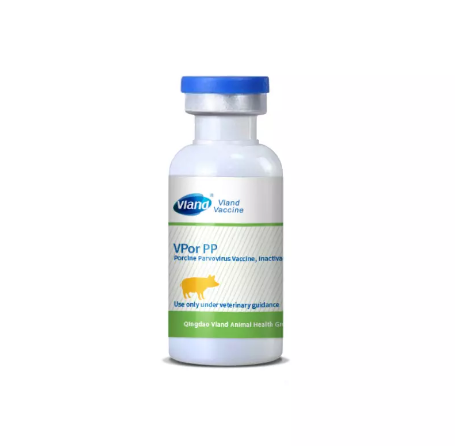
Let us frame the business problem clearly. Administering a denatured product carries immense financial realities. Your farm faces wasted labor costs during application. Workers spend valuable hours processing pigs for absolutely no immunological benefit. You also suffer direct product loss from ruined vials. Replacing spoiled inventory drains operational budgets quickly. More importantly, you invite catastrophic outbreak risks directly into your barns. When herd immunity drops unexpectedly, disease spreads rapidly among vulnerable animals. A false sense of security is far more dangerous than knowing you lack coverage.
The scientific reality behind these failures is unforgiving. Temperature fluctuations destroy delicate biological products in mere hours. Freezing temperatures irreversibly break down crucial adjuvants. These adjuvants help stimulate the animal's immune response effectively. Once frozen, the emulsion separates permanently. Without a stable adjuvant, the immune system ignores the antigen. Overheating poses an equally severe threat. Heat kills modified-live viruses almost instantly. A live virus must remain viable to replicate slightly inside the host animal. This minor replication triggers necessary antibody production. Once heat degrades these components, they cannot recover their potency.
Consider this critical guidance from veterinary immunology experts. You should never rely on visual inspection to judge quality. You cannot verify biological viability after a temperature excursion just by looking. A frozen-and-thawed liquid often looks perfectly normal to the naked eye. Cloudy suspensions easily hide severe molecular damage. Prevention remains your only reliable strategy. Industry standards consistently emphasize strict proactive temperature management. Reactionary measures simply do not work. You must stop thermal excursions before they ever happen.
Farm managers often misunderstand refrigeration limits. Many facilities still rely on standard consumer refrigerators. Dorm-style units are especially dangerous for sensitive biologicals. We must compare pharmaceutical-grade cold storage against these basic consumer models. Consumer units have highly unstable temperature zones. Their compressors cycle on and off inconsistently throughout the day. This creates dangerous hot and cold spots inside the cabinet.
Pharmaceutical-grade units provide a completely different technical solution. They use advanced microprocessors to maintain strict thermal bands. Let us look at specific features and their direct outcomes. Fan-forced air circulation is a critical hardware feature. It ensures uniform temperatures across every single shelf. This completely prevents freezing cold spots near the cooling element. Glass-front doors offer another major operational advantage. They allow rapid inventory checks without breaking the thermal seal. You can locate your exact product visually before opening the door.
Feature | Consumer-Grade Refrigerator | Pharmaceutical-Grade Unit |
|---|---|---|
Temperature Control | Inconsistent, prone to wide thermal swings | Microprocessor controlled, highly stable |
Air Circulation | Passive cooling, creates dangerous cold spots | Fan-forced air for uniform compartment temperatures |
Door Type | Solid door, requires opening to view inventory | Glass door, allows external inventory checks |
Defrost Cycle | Manual or auto-defrost (causes heat spikes) | Advanced thermal management prevents heat spikes |
Continuous monitoring technology is an absolute must-have. You must move past basic min/max thermometers immediately. Digital Data Loggers (DDLs) provide continuous, verifiable compliance tracking. They record temperatures every few minutes automatically. A standard thermometer only shows current conditions at a glance. A DDL reveals hidden overnight excursions clearly. If a compressor fails at midnight and restarts at dawn, a DDL catches it. It proves compliance and protects your biological investment securely.
Equipment alone cannot guarantee operational success. Daily handling routines matter just as much as hardware. Let us outline the critical handover points on a working farm. These represent the exact moments the cold chain usually breaks. Delivery arrival is the first major risk point. Moving inventory into the main fridge is the second. Transferring doses out to the pen is the third. Handlers must act flawlessly during these specific transitions.
Implement a strict receiving protocol immediately. Train your staff to act fast when shipments arrive. You must standardize this process across all farm locations.
Inspect shipping coolers immediately upon arrival at the farm office.
Open the package and verify the temperature monitors inside.
Check the internal indicator cards for any signs of heat exposure.
Transfer the product directly to the main storage refrigerator without delay.
Log the exact receipt time and the arrival temperature digitally.
Inventory management dictates long-term stability. You must implement First-In, First-Out (FIFO) rotation strictly. Place newer shipments behind older stock on the shelves. This ensures you use older doses before they expire. Placement inside the unit is also highly specific. Store biologicals strictly on the center shelves. Never store them in the door compartments. Door temperatures fluctuate wildly every time someone opens it. Do not place boxes directly under the cooling vent. Direct airflow often freezes top-shelf inventory rapidly.
Chute-side transport requires careful, strategic planning. Use designated insulated coolers for the barn environment. Equip these coolers with properly conditioned ice packs. Conditioned ice packs sit at room temperature briefly until they sweat. This prevents direct freezing when they touch the vials. Add a physical barrier between the ice and the boxes. A simple layer of bubble wrap works perfectly for this. Keep the transport cooler tightly closed between individual draws.
Biosecurity risks elevate storage challenges significantly. Farm-wide biosecurity protocols tighten intensely during active pathogenic threats. Managing vaccination cycles becomes chaotic under intense pressure. You face severe contextual risks when handling bulk orders during a crisis. Stress levels rise, and staff may rush standard procedures. We must mitigate these human errors through better planning.
Maintaining strict efficacy is paramount during emergencies. Highly contagious mucosal diseases require rapid, perfect immunological responses. You cannot afford an inactive dose during an active outbreak. This rings particularly true for serious gastrointestinal pathogens. Efficacy is absolutely critical when administering transmissible gastroenteritis and porcine epidemic diarrhea immunizations. These diseases ravage piglet populations swiftly and brutally. Maternal antibodies must be exceptionally robust to protect nursing litters. If the administered product lacks potency, the piglets will suffer massive mortality rates.
Handling considerations change drastically during mass protocols. You must manage high-volume, rapid access safely. Emergency mass-vaccination for porcine transmissible gastroenteritis requires special staging techniques. You cannot leave your primary storage unit open constantly. Leaving the door open makes the entire stock vulnerable to ambient heat. High barn temperatures will ruin the remaining inventory quickly.
Instead, use a secondary staging cooler system. Transfer only what you need for the next hour. Keep the main pharmaceutical fridge securely closed and locked if necessary. Assign one specific person to manage the staging cooler entirely. This minimizes confusion and reduces unnecessary thermal exposure. Rotate conditioned ice packs every two hours to maintain the optimal band. Never leave syringes pre-drawn for long periods. Draw the specific dose immediately prior to administration.
You need a reliable decision framework today. A practical checklist helps determine your exact upgrade needs objectively. It removes guesswork from your infrastructure planning. Routine audits prevent slow degradation of your cold chain standards. Let us evaluate three primary dimensions of your current facility.
Inspect the physical rubber seal on your refrigerator door carefully.
Check the primary compressor for unusual cycling noises or excessive heat.
Verify the unit is dedicated solely to veterinary biologicals.
Remove any human food or drinks immediately from the unit.
Pull historical digital temperature logs for the last 30 days.
Ensure you can view the last 60 and 90 days easily for compliance.
Identify any subtle patterns of minor temperature drift over time.
Confirm your staff signs off on daily visual hardware checks.
Locate your dedicated backup power supply for the medical fridge.
Test the farm generators specifically for the main refrigerator circuit.
Install a dedicated battery backup for the digital data logger.
Keep empty hard-sided coolers and extra ice packs ready for emergencies.
Take next-step actions promptly after your audit. Start shortlisting commercial veterinary refrigeration suppliers this week. Compare models featuring fan-forced air and tempered glass doors. Look into upgrading your current monitors to automated alarm systems. Cloud-based temperature alarms send instant text messages directly to your phone. If the power drops at midnight, you get an alert immediately. This small technological upgrade saves thousands of dollars in lost product.
Safe storage is not just about buying a better fridge. It is about establishing a verifiable, fail-safe system. You must guarantee the administered product is fully potent. It should remain as effective as the exact day it was manufactured. Ignoring cold chain protocols puts your entire farming operation at risk.
Focus on these core action steps moving forward:
Audit your current cold storage equipment today using our three-dimension framework.
Upgrade to continuous digital monitoring systems to track historical temperature data.
Train all staff members on strict receiving protocols and chute-side transport SOPs.
Establish secondary staging coolers during mass-vaccination events to protect primary inventory.
A: Keep doors closed to maintain temperature. If power is out for an extended period, transfer the stock to a validated backup cooler with conditioned ice packs and monitor with a DDL.
A: Industry standards advise against this. Dorm-style units have unstable temperature zones and often freeze vaccines stored near the cooling element, rendering them useless.
A: At a minimum, temperatures should be checked and logged twice daily, even if using a continuous digital data logger, to physically verify the unit's operation.


