
English


Views: 0 Author: Site Editor Publish Time: 2026-03-26 Origin: Site


Commercial and clinical interest in non-galliform avian immunology is surging. Researchers are increasingly turning to duck-derived biologicals to solve complex diagnostic challenges. Standard mammalian antibodies often cause high background noise and frustrating cross-reactivity in sensitive assays. Duck immunoglobulins offer a powerful, elegant alternative. They possess unique structural characteristics, most notably their naturally truncated variants. These distinct structural traits unlock major advantages for assay development, precise diagnostics, and scalable therapeutics.
You must approach these biologicals pragmatically. They prove highly effective for specific neutralizing and low-background applications. However, integrating them successfully requires precise technical knowledge. You must understand their structural divergence from standard mammalian or chicken (galliform) immunoglobulins. Grasping this divergence helps you avoid cross-reactivity pitfalls and unexpected detection failures. You will discover how these molecules function structurally and genetically. We will explore their specific use cases in veterinary medicine. Finally, we will guide you through sourcing the proper secondary reagents for optimal assay performance.
Ducks produce a unique, naturally truncated antibody variant called IgY(ΔFc) or 5.7S IgG, which lacks the Fc region responsible for secondary inflammatory responses.
Antibody diversity in ducks is generated through gene conversion from pseudogene pools, resulting in highly targeted antigen recognition.
In diagnostic assays, the lack of an Fc region in duck IgY(ΔFc) eliminates non-specific Fc-receptor binding, drastically reducing background noise in Flow Cytometry, ELISA, and IHC.
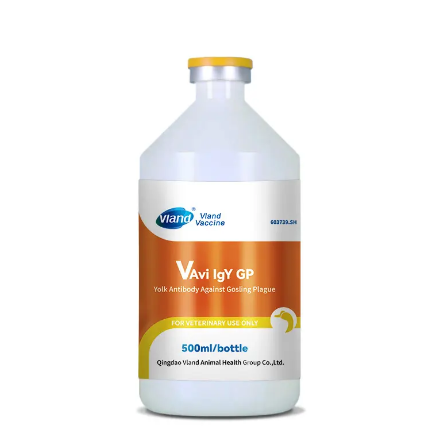
Egg-derived duck polyclonal antibodies provide a highly scalable, low-allergen platform for targeted therapies, including the prevention of gosling plague and cross-species viral neutralizations.
Procuring and utilizing duck antibodies requires specialized secondary reagents, as conventional anti-IgY products often fail to recognize the truncated heavy chain.
Assay developers routinely experience high background noise using conventional mammalian antibodies. Complex tissue samples contain numerous Fc receptors. Mammalian antibodies bind these receptors non-specifically. This binding creates false signals and ruins data clarity. Understanding duck antibody structure provides a highly effective alternative solution. We can bypass these background issues entirely by leveraging unique avian isotypes.
Ducks produce three primary immunoglobulin isotypes. They generate IgM, which typically forms large, heavy polymers. They secrete IgA for mucosal surface protection. Crucially, they produce two distinct forms of IgY in their serum. Historically, scientists referred to these as 7.8S IgG and 5.7S IgG. The 7.8S variant resembles typical avian IgY found in chickens. It features a full-length heavy chain. The 5.7S variant, however, represents a profound evolutionary divergence.
We call this 5.7S variant IgY(ΔFc). It is a naturally truncated molecule. It entirely lacks the two terminal constant domains forming the typical Fc region. This missing section fundamentally changes how the molecule behaves in biological systems. Because it lacks these domains, IgY(ΔFc) functions purely as an antigen-binding vehicle.
These structural features carry massive functional implications. The truncated IgY(ΔFc) excels at primary antigen binding. It demonstrates extraordinary efficacy in virus neutralization. However, it remains structurally incapable of triggering secondary biological effects. It cannot initiate complement fixation. It cannot drive opsonization or trigger macrophage engulfment. It binds the target and stops there.
You must acknowledge a vital implementation reality. When you hyperimmunize a duck, its immune system shifts production heavily. The truncated 5.7S variant becomes the dominant serum antibody. It often comprises the vast majority of the circulating immune response. This dominance dictates how you must engineer your diagnostic and therapeutic formulations. You cannot rely on secondary biological cascades. You must design assays exploiting its primary binding strength.
Isotype Name | Historical Designation | Structural Characteristics | Primary Functional Role |
|---|---|---|---|
IgM | Macroglobulin | Large polymeric structure (~800 kDa) | Early-stage systemic immune response |
IgY (Full-length) | 7.8S IgG | Full heavy chain, contains active Fc region | Standard secondary systemic immunity |
IgY(ΔFc) | 5.7S IgG | Naturally truncated, lacks two Fc domains | High-affinity primary binding, virus neutralization |
IgA / IgX | Secretory Ig | Dimeric or polymeric, localized | Mucosal defense and intestinal immunity |
Understanding the biological origin of these molecules reveals their power. Their unique generation translates directly to superior viral defense. It also enables the production of highly stable commercial bioproducts. Ducks utilize a fascinating genetic mechanism to build their immune repertoire.
Mammals rely on complex V(D)J recombination to generate diverse antigen recognition. Ducks employ a vastly different genetic repertoire strategy. They initiate antibody diversity through a single functional V-region rearrangement. Following this initial step, they rely heavily on gene conversion. They maintain a massive pool of upstream pseudogenes. The immune system splices sequences from these pseudogenes into the active V-region. This gene conversion ensures incredibly high specificity. It allows the bird to recognize rapidly mutating viral pathogens.
Waterfowl also possess highly independent mucosal immunity systems. Localized defense mechanisms operate separately from systemic circulation. For example, ducks secrete a specialized antibody called IgX directly into their bile. This localized immunoglobulin functions independently from circulating serum IgM. It lines the digestive and respiratory tracts. It provides a direct barrier against environmental pathogens.
This localized immunity heavily influences viral shedding control. Researchers observe a direct correlation between mucosal antibody responses and viral excretion. When IgX levels rise in the gut, viral shedding rapidly terminates. The mucosal antibodies neutralize the pathogen directly at the replication site. This mechanism remains critical for managing waterfowl virus reservoirs in the wild. It also provides a blueprint for engineering oral and mucosal prophylactics for agricultural flocks.
Initial Rearrangement: A single functional V-region undergoes basic recombination.
Gene Conversion: Sequence patches from pseudogene pools insert into the active gene.
Affinity Maturation: The immune system selects highly specific clones for expansion.
Localized Secretion: IgX transports into bile and mucosal linings for direct defense.
Pathogen Neutralization: Mucosal antibodies bind viruses, terminating digestive shedding.
Assessing Duck antibodies as raw materials transforms commercial assay development. Their unique architecture solves chronic detection problems. Laboratory professionals frequently struggle to maintain clear signal-to-noise ratios. Complex biological matrices contain high levels of interfering proteins. Mammalian antibodies often bind these non-target proteins.
The absence of an Fc region in IgY(ΔFc) creates a massive advantage here. The entire molecule acts as a natural F(ab')2 fragment. In mammalian systems, researchers must use pepsin or papain to cleave the Fc region artificially. This enzymatic cleavage costs money, reduces yield, and risks damaging the binding site. The duck variant bypasses the need for enzymatic cleavage entirely. It inherently eliminates false positives caused by Fc-receptor binding in complex samples. Your background noise drops significantly.
Platform compatibility remains consistently high across modern laboratory techniques. They demonstrate proven performance in high-throughput single-tube Flow Cytometry. Avian red blood cells possess a nucleus and resist standard lysis buffers. Using highly specific duck clones allows precise leukocyte counting without requiring cell lysis. They also excel in Western Blotting (WB) and Enzyme-Linked Immunosorbent Assays (ELISA). The low background trait makes them ideal capture antibodies.
Assay Platform | Implementation Advantage | Background Noise Impact |
|---|---|---|
Flow Cytometry | Enables lysis-free, single-tube counting of nucleated avian blood. | Extremely Low (Zero Fc-receptor binding on macrophages) |
ELISA (Capture) | Binds target firmly without capturing stray serum proteins. | Low (Natural F(ab')2 structure prevents matrix interference) |
Western Blotting | Provides high-affinity primary detection for denatured proteins. | Low (Requires specialized anti-duck secondary) |
IHC (Tissue) | Penetrates tissues easily due to smaller molecular footprint. | Extremely Low (No binding to endogenous tissue Fc receptors) |
Despite these benefits, you must navigate the secondary antibody bottleneck carefully. This represents the primary risk factor for developers. Standard anti-avian or anti-chicken secondary antibodies exhibit incredibly poor cross-reactivity here. They fail to recognize the truncated IgY(ΔFc) heavy chain. If you apply a standard anti-chicken reagent, your assay will likely yield a false negative.
Successful integration requires precise procurement strategies. You must shortlist commercial suppliers offering highly specific, monoclonal anti-duck reagents. You cannot rely on generalized avian products. Look specifically for verified clones targeting defined CD markers. Seek out verified reagents targeting the distinct Ig isotypes.
Duck platforms excel in large-scale veterinary applications. They provide robust solutions for heterologous disease management. Agricultural biodefense relies increasingly on hyperimmune duck serum. Egg yolk extracts offer an equally powerful, scalable alternative to serum harvesting. These platforms allow rapid deployment against devastating flock diseases.
Veterinary medicine utilizes these extracts specifically to combat severe agricultural outbreaks. Farmers deploy goose parvovirus antibodies routinely during the hatching season. They use these targeted biologicals strictly for the prevention of gosling plague. Also known as Derzsy's disease, this virus causes massive mortality in young flocks. By administering hyperimmunized duck extracts, farmers neutralize the virus quickly. The primary binding strength of IgY(ΔFc) stops the pathogen from infiltrating vulnerable gosling tissues.
Production scalability drives the commercial viability of this approach. Mammalian serum production requires housing large animals like horses or sheep. It demands intensive veterinary care and painful blood extraction. Avian platforms revolutionize this process. You can combine modern DNA vaccine technology with standard duck egg production. You immunize the laying flock using DNA vectors. The birds concentrate massive quantities of specific IgY and IgY(ΔFc) directly into their egg yolks.
You can harvest these yolks continuously without harming the bird. You simply extract and purify the targeted immunoglobulins from the lipid matrix. This method yields exceptionally high titers of neutralizing polyclonal antibodies. It scales up rapidly during sudden viral outbreaks. It costs a fraction of traditional mammalian serum production.
Heterologous safety profiles represent another critical dimension. Cross-species therapeutics always carry inherent biological risks. Injecting horse or sheep serum into different species often causes severe hypersensitivity. The recipient's immune system recognizes the foreign Fc region. This triggers serum sickness and massive secondary systemic inflammation. Duck IgY(ΔFc) avoids this dangerous cascade entirely.
Because it lacks mammalian Fc-receptor binding capabilities, it acts silently within the host. It drastically lowers the risk of severe hypersensitivity. It provides a highly targeted, neutralizing treatment without triggering destructive immune cascades. This biological stealth makes it an exceptionally safe post-exposure prophylactic. It far surpasses traditional equine or ovine antisera in both safety and clinical tolerability.
Selecting the correct supplier dictates your ultimate success. You cannot sacrifice assay validity or therapeutic efficacy by choosing improper reagents. The market contains many generic avian products. You must filter these out aggressively. Follow strict shortlisting logic to secure the right commercial reagents.
Target Specificity & Clone Validation: Demand detailed clone data from every vendor. Look for specific murine monoclonals raised against duck targets. Verify they list specific markers like duck CD4, CD8 alpha, or IgA1. Ask for performance guarantees across your intended applications.
Purity and Formulation Standards: Require highly purified formats exclusively. Crude serum or unrefined ascites fluid introduces uncharacterized aggregates. These aggregates ruin assay precision. They introduce competing serum proteins. Always request a Certificate of Analysis confirming the purification method.
Sensitivity Thresholds: Evaluate supplier data on antibody affinity strictly. Cytokine mapping requires intense sensitivity. If you need IFN-γ detection, scrutinize the limits of detection (LOD). Ensure the clone maintains viability during single-cell intracellular staining procedures.
Cross-Reactivity Disclosures: Check the vendor's transparency regarding cross-reactivity. They must document interactions with closely related species like chickens or turkeys. Broad cross-reactivity might benefit a general avian screening assay. However, it creates a massive liability for highly specific diagnostics. Know exactly what the clone recognizes.
Review testing protocols before finalizing any purchase. Reliable suppliers publish validation images. They show flow cytometry dot plots or clear western blot bands. If a vendor cannot produce application-specific data, source your materials elsewhere. The structural uniqueness of the 5.7S variant leaves zero room for reagent ambiguity.
The strategic value of duck antibodies lies in their remarkable evolutionary biology. Their unique truncated IgY(ΔFc) structure prevents unwanted Fc-receptor interactions. This natural F(ab')2-like architecture provides a highly stable, low-background alternative for advanced diagnostics. Furthermore, egg-based extraction ensures unparalleled production scalability. These traits combine to power specialized therapeutics and secure global agricultural biodefense.
You must remember the functional benefits are substantial, but implementation requires caution. The lack of an Fc region demands precisely matched secondary detection reagents. Standard anti-chicken secondary antibodies will fail to recognize the truncated heavy chains. Successful rollout hinges entirely on your procurement strategy.
Audit your current assay background levels immediately. Identify diagnostic tests suffering from false positives or Fc-interference. Consult specialized avian biological suppliers to explore alternative reagents. Request validated anti-duck specific clones and begin running side-by-side comparative evaluations today.
A: Because the predominant duck antibody, IgY(ΔFc), naturally lacks the Fc region, preventing it from binding non-specifically to Fc receptors on macrophages and other immune cells in the sample.
A: Rarely. While ducks and chickens are both avian, they diverged evolutionarily. Duck IgY(ΔFc) is structurally unique, meaning conventional anti-chicken IgY secondaries often fail to bind. Specific anti-duck monoclonals are required.
A: Polyclonal goose parvovirus antibodies can be harvested efficiently from the egg yolks of hyperimmunized ducks, providing a highly scalable and direct neutralizing treatment to protect vulnerable goslings from the virus.
A: Yes, primarily because the lack of an active Fc region prevents the antibodies from triggering detrimental secondary immune cascades (like severe inflammation or complement activation) in the host, making them a safer alternative to mammalian-derived antisera.


