
English


Views: 0 Author: Site Editor Publish Time: 2026-03-17 Origin: Site


Administering vaccines to your home poultry flock can feel like a daunting task, but it is one of the most powerful tools you have for ensuring their health and longevity. It's far more than a routine chore; it's a cornerstone of effective biosecurity and proactive flock management. A successful vaccination program protects your birds from devastating diseases, secures your investment, and provides peace of mind. However, the effectiveness of any vaccine hinges entirely on proper handling and administration. An incorrectly given vaccine is at best useless and at worst harmful. This guide provides a clear decision-making framework and practical, step-by-step instructions to help you vaccinate your home flock safely and effectively, transforming a complex process into a manageable one.
Assess First: Before vaccinating, evaluate your flock's specific risks based on location, biosecurity (open vs. closed flock), and local disease prevalence. Not all flocks require the same poultry vaccine schedule.
Handle with Care: The effectiveness of a vaccine, especially a live vaccine for Newcastle Disease and Infectious Bronchitis, depends on maintaining the cold chain from purchase to administration. Improper handling is a primary cause of failure.
Choose the Right Method: The best application method (injection, drinking water, eye drop) depends on the vaccine type, flock size, and your skill level. Each has specific requirements for success.
Execution is Everything: Follow precise, step-by-step instructions for mixing, dosing, and administration. Incorrect technique can lead to wasted vaccine, injury, or failed immunization.
Observe and Record: Post-vaccination monitoring for adverse reactions and diligent record-keeping (vaccine type, batch number, date) are essential for managing flock health and troubleshooting issues.
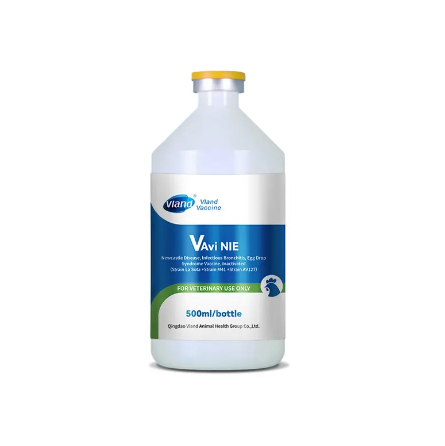
The core challenge for any flock owner is protecting the health and productivity of their birds while managing costs and labor. A successful vaccination program is not about administering every available vaccine; it's about creating a cost-effective and manageable plan that prevents disease outbreaks. Before you buy a single vial, you must determine if vaccination is the right choice for your specific situation.
Use these criteria to build a risk profile for your flock. This profile will guide your decisions and help you avoid unnecessary interventions.
Flock Type & Purpose: Your reason for keeping chickens heavily influences their risk. A small, self-contained flock of pet hens has a much lower risk profile than exhibition birds that travel to shows and are exposed to countless other fowl. Birds raised for meat have a short lifespan, which may alter the vaccination schedule compared to long-lived laying hens.
Biosecurity Level: How isolated is your flock? A "closed" flock, where no new birds are ever introduced, is the most secure. An "open" flock, where you frequently add new members, introduces significant risk. You must also consider indirect contact. Do your birds free-range where they might encounter wild waterfowl, which can be carriers of disease?
Geographic Risk: Poultry diseases are not uniformly distributed. Your local agricultural extension office or a regional veterinarian is an invaluable resource. They can inform you about prevalent diseases in your area, such as virulent Newcastle Disease (ND) or specific strains of Infectious Bronchitis (IB). This local knowledge is critical for targeted Prevention ND and IB.
Source of Birds: Where did your chicks come from? Reputable hatcheries often administer the Marek's Disease vaccine at day one. Knowing your chicks' vaccination history prevents you from either missing a critical early immunization or needlessly repeating it. Always ask for a record of any vaccines given before you purchased the birds.
Based on your risk assessment, you can prioritize which vaccines to consider.
High Priority (Strongly Recommended): The Marek's Disease vaccine is a top priority for nearly all chickens. The virus is ubiquitous in the environment, and the disease is devastating. This vaccine is most effective when administered at the hatchery or on the day of hatch, before chicks have a chance to be exposed.
Conditional Priority (Risk-Based): Vaccines for Newcastle Disease and Infectious Bronchitis (often combined) are critical for any flock with exposure risk. If you attend shows, introduce new birds, have nearby neighbors with poultry, or live in a high-risk area, an ND/IB vaccination program is essential.
Lower Priority (Specific Threat): Other vaccines for diseases like Fowl Pox, Laryngotracheitis, or Avian Encephalomyelitis should only be used if there is a specific, identified risk. Vaccinating for a disease that is not a threat in your region is an unnecessary cost and stress on the birds.
The success of your vaccination program begins long before you handle a single bird. The primary cost is the vaccine itself, but the true cost of failure—a diseased flock due to a compromised vaccine—is immeasurably higher. Investing in proper equipment and handling procedures ensures the best return on your investment.
Your vaccine is only as good as its handling from manufacturer to administration.
Where to Purchase: Always source vaccines from reputable suppliers, such as major poultry supply companies, hatcheries, or your veterinarian. Avoid third-party resellers on auction sites, as you cannot verify the vaccine's handling history.
Live vaccines are typically stored at -15°C; inactivated vaccines must not be frozen and are stored at 2–8°C.
Gathering all your supplies beforehand makes the process smooth and reduces stress on both you and the birds. Your needs will vary based on the application method.
Cooler with ice packs for transport and tableside use
Disposable gloves
A designated sharps container (a hard plastic bottle with a secure lid works) for needle disposal
For Injection: Appropriate syringes (1mL or 3mL are common) and sterile needles of the correct gauge (e.g., 22-25 gauge, 1/2 to 3/4 inch length).
For Eye Drop: The manufacturer-provided dropper cap that fits the vaccine vial.
For Drinking Water: Clean, non-sanitized plastic or metal waterers and a stabilizer like powdered skim milk. Do not use waterers that have recently contained sanitizers or medications.
The vaccine vial and packaging contain critical information. Take a moment to read it carefully. You will find the expiration date, batch or serial number (essential for record-keeping), dosage instructions, and any specific warnings. It is also vital to differentiate between vaccine types, as this dictates handling and administration.
| Feature | Live Attenuated Vaccine | Inactivated (Killed) Vaccine |
|---|---|---|
| State of Organism | Contains a weakened but living form of the virus/bacteria. | Contains a virus/bacteria that has been killed. |
| Handling | Extremely fragile. Must maintain cold chain. Sensitive to heat, sunlight, and disinfectants. | More stable, but should still be stored properly. Often contains an adjuvant (oil emulsion). |
| Administration | Can be given via drinking water, eye drop, spray, or injection. | Must be injected individually. |
| Immunity | Stimulates a rapid and broad immune response (both local and systemic). | Stimulates a strong, long-lasting systemic response. Boosters are common. |
| Common Examples | ND/IB combos, Fowl Pox, Coccidiosis. | Coryza, Salmonella, some ND/IB boosters. |
Precise execution is where preparation meets reality. This phase is about mitigating risks like incorrect dosage, contamination of the vaccine, or causing undue stress and injury to your birds. Work calmly and methodically. If possible, have a second person help you catch and hold the birds.
This method delivers the vaccine under the skin. It is most commonly used for day-old chicks receiving the Marek's vaccine or for older birds receiving an inactivated (killed) vaccine.
Reconstitution. Many injectable vaccines come in two parts: a freeze-dried cake of the vaccine and a sterile liquid diluent. Use a syringe to draw up the diluent and gently inject it into the vial with the vaccine cake. Swirl it gently until fully dissolved. Do not shake vigorously, as this can damage the vaccine components.
Prepare the Dose. Draw the precise dose (e.g., 0.2 mL for Marek's) into a new, sterile syringe for each bird. Having multiple syringes pre-filled can speed up the process for larger flocks.
Secure the Bird. Hold the chick or bird firmly but gently. For chicks, you can hold them in one hand. For larger birds, tuck their body under your arm.
Administer. At the back of the bird's neck, use your thumb and forefinger to gently pinch and lift a fold of loose skin, creating a "tent." Insert the needle into the base of this tent, parallel to the bird's body. You should feel a slight pop as the needle enters the subcutaneous space. Ensure the needle is not in the muscle or angled toward the spine. Depress the plunger fully.
Verify. Withdraw the needle and briefly check the injection site. If you see a wet spot on the skin or feathers, the vaccine has leaked, and the dose was incomplete. You may need to administer it again, but be cautious not to overdose.
This method is excellent for mass application in larger flocks. Its success depends on every bird drinking the medicated water within a short window.
Preparation. Withhold water from the flock for 1-2 hours before vaccination. This ensures the birds are thirsty and will drink readily. The withholding time should be shorter in very hot weather to prevent dehydration.
Calculate Water Volume. You need to mix the vaccine in an amount of water that the flock will consume in about 1-2 hours. Too much water will dilute the vaccine and some may not get a full dose; too little means it will be gone before all birds drink. A general rule of thumb is to use about a quarter of their total daily water consumption.
Stabilize the Water. Tap water often contains chlorine or other sanitizers that can kill a live vaccine. To neutralize them, you must use a stabilizer. Powdered skim milk is a common and effective choice. Add it to clean, non-chlorinated water at a rate of approximately 2.5 grams per liter (or 1 teaspoon per quart). Let this mixture sit for 10 minutes before adding the vaccine.
Mix the Vaccine. Put on gloves. Submerge the opened vaccine vial in your bucket of stabilized water. Remove the vial's cap underwater, allowing the bucket water to fill it. Swirl the vial to mix the contents, then pour it back into the main volume of water and stir thoroughly. This ensures the entire dose of your Newcastle Disease and Infectious Bronchitis live vaccine is incorporated.
Administer. Distribute the vaccinated water evenly among your clean waterers and place them in the coop. Allow the birds to drink until it is all gone. Do not provide any other water source during this time.
While labor-intensive, the eye drop method is one of the most reliable ways to administer a live vaccine, as you can be certain each bird receives a full, correct dose.
Reconstitution. The vaccine typically comes with a vial of sterile diluent. Mix the vaccine as directed and attach the supplied plastic dropper nozzle to the vial. Keep the mixed vaccine cool.
Secure the Bird. Gently catch and hold the bird, tucking its body to keep it calm. Tilt its head to the side so one eye is facing directly upward.
Administer the Drop. Invert the vaccine vial and hold the dropper just above the bird's eye. Squeeze gently to dispense a single drop onto the surface of the eye.
Ensure Absorption. This is the most critical step. Continue to hold the bird for a second or two until you see it blink. The drop should disappear as it is absorbed into the nasolacrimal duct. If the drop rolls off the bird's face, the dose has been lost, and you must apply another drop. Do not release the bird until the drop is gone.
Your job isn't finished once the last dose is given. Proper follow-up ensures the health of your flock and provides valuable data for future management.
Observe your flock closely for the next 24-48 hours. A proper Poultry vaccine stimulates the immune system, and mild reactions are a sign that it's working. You might notice slight lethargy or reduced appetite. For respiratory vaccines given by eye drop or spray, some mild sneezing or "snicking" for a few days can be normal. However, you should watch for severe reactions like gasping, facial swelling, or extreme lethargy, and be prepared to contact a veterinarian if these occur.
Safe disposal of vaccination materials is a key biosecurity step.
All used needles and syringes must be placed immediately into a designated, puncture-proof sharps container. Do not throw them in the regular trash.
Empty live vaccine vials and any materials that contacted the vaccine (gloves, mixing sticks) should be carefully managed to prevent releasing the live virus into the environment. The best practice is to burn them, if permissible in your area. Alternatively, you can submerge them in a strong disinfectant solution before disposal.
Diligent record-keeping is the mark of a serious flock manager. A detailed log helps you track immunity, troubleshoot problems, and plan future health programs. Your records should be simple but complete.
| Date | Age of Birds | Vaccine Name & Mfr. | Batch Number | Admin Method | Notes/Reactions |
|---|---|---|---|---|---|
| 03/15/2024 | Marek's HVT/SB-1 | A45B987 | Sub-Q Injection | No adverse reactions noted. | |
| 04/12/2024 | 4 Weeks | NDV/IBV B1/Mass | C112D45 | Drinking Water | Mild sneezing for 2 days. |
A successful at-home poultry vaccination program is a multi-stage process that rewards careful planning and execution. It begins not with a needle, but with a strategic decision based on your flock’s unique risks. It relies on the meticulous preparation and handling of fragile biological products. Finally, its success is sealed with precise, calm administration and diligent follow-up care and record-keeping. Viewing vaccination as a proactive investment in the health, welfare, and longevity of your flock is the key to success. Your next step is to use this guide to assess your flock's needs, consult local resources, and create a vaccination schedule that is perfectly tailored to your birds.
A: No. The concentration of vaccine is designed for the full volume of diluent. You must mix the entire vial as directed to achieve the correct potency. For methods like drinking water, you can then portion out the correctly mixed solution. For injections, you must administer the correct per-bird dose (e.g., 0.2 mL) and properly discard the significant remainder. Never try to split the freeze-dried vaccine cake itself.
A: A live vaccine's effectiveness is severely compromised or completely destroyed if the cold chain is broken. The living organisms in the vaccine die when they get warm. If your vaccine arrives at room temperature or the ice packs are fully melted and warm, you should consider it inactive and not use it. Reputable suppliers will replace it; contact them immediately.
A: It depends on the disease, the vaccine type, and the bird's purpose. Many live vaccines for diseases like Newcastle Disease and Infectious Bronchitis require boosters to maintain effective immunity, especially for laying hens that need protection throughout their productive life. Always follow the manufacturer's recommendations and consult with a local veterinarian to develop a sustainable long-term schedule for your flock.
A: The two most common and costly mistakes are improper vaccine handling and incorrect administration. Breaking the cold chain is the top handling error, rendering the vaccine useless before it's even opened. For administration, common errors include injecting into muscle instead of subcutaneously, failing to ensure eye drops are absorbed, or not using a water stabilizer for drinking water vaccines. Both categories of mistakes lead to vaccination failure, leaving the flock unprotected.


