
English


Views: 0 Author: Site Editor Publish Time: 2026-02-24 Origin: Site


Choosing between oral and injectable vaccines is one of the most critical operational decisions a poultry producer makes. This choice extends far beyond veterinary preference; it directly impacts labor costs, flock health outcomes, biosecurity protocols, and overall profitability. Modern poultry operations face the complex challenge of balancing the need for robust, flock-wide immunity against the realities of tight margins and demanding production schedules. Achieving this balance requires a deep understanding of each administration method's strengths and weaknesses. This article provides a structured decision-making framework. It will help you select the most appropriate poultry vaccine administration route by aligning your choice with specific production goals, operational constraints, and the unique needs of your flock.
No Single "Best" Method: The optimal choice depends entirely on flock type (broiler vs. layer/breeder), age, scale of operation, target diseases (e.g., Newcastle Disease, Infectious Bronchitis), and labor availability.
Injectable Vaccines: Offer superior dose precision and a strong, uniform immune response, making them ideal for high-value birds and inactivated vaccines. However, they are labor-intensive, costly, and can increase bird stress.
Oral Vaccines (Water/Spray): Excel in cost-effective, low-stress mass application for large flocks. Success is highly dependent on procedural accuracy, water quality, and achieving uniform consumption, which can be challenging.
Strategic Combination: The most robust poultry health programs often use a combination of methods—for example, an initial live oral vaccine for priming mucosal immunity, followed by an inactivated injectable vaccine as a booster.
Focus on Process, Not Just Product: The efficacy of any poultry vaccine program hinges on flawless execution, from storage and handling to administration and post-vaccination monitoring.
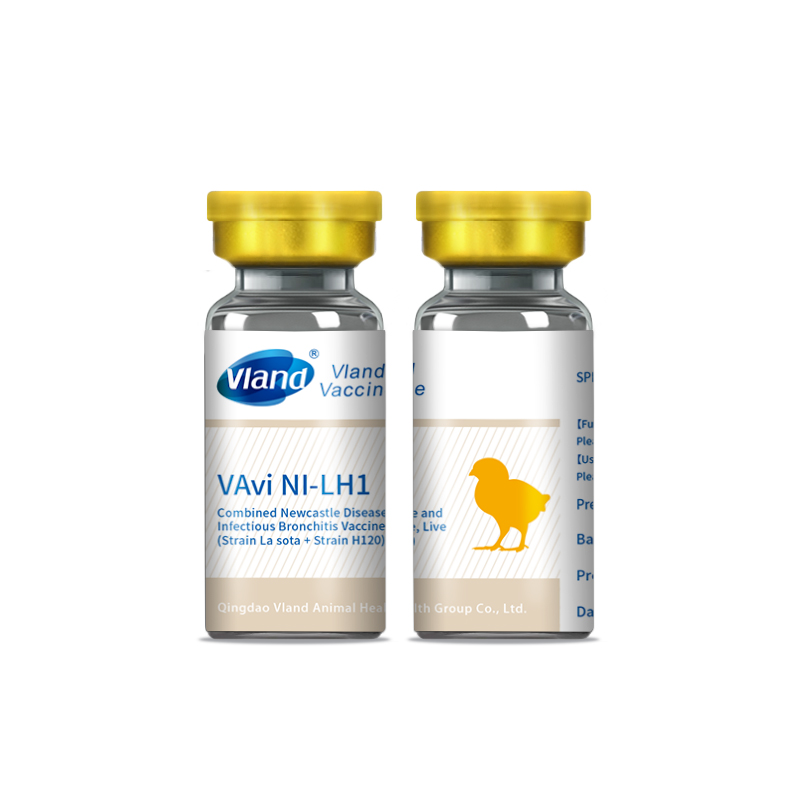
An effective vaccination strategy begins with a clear definition of success. Before selecting a product or method, you must first establish the primary objectives of your program. These goals provide the benchmarks against which you will measure performance and calculate your return on investment. Without them, you are simply administering a product; with them, you are executing a strategic health plan.
Primary objectives often include:
Reducing Mortality and Morbidity: The most fundamental goal is to protect the flock from specific, economically damaging pathogens. This includes the effective Prevention ND and IB, which can devastate a flock's health and productivity.
Achieving Target Antibody Titers: Your program should aim for consistent and uniform antibody levels across the flock, ensuring widespread protection against a field challenge.
Improving Feed Conversion Ratio (FCR) and Growth Rates: Healthy birds perform better. A successful vaccination program minimizes subclinical disease, allowing birds to direct their energy toward growth rather than fighting infection.
Ensuring Regulatory Compliance and Market Access: Certain markets or certification programs mandate specific vaccination protocols or disease-free statuses. Your strategy must meet these requirements.
To track progress toward these goals, you need to monitor Key Performance Indicators (KPIs). These metrics provide tangible evidence of your program's effectiveness.
Serological Monitoring: Using tools like ELISA tests to measure antibody levels in a sample of birds post-vaccination. This confirms the vaccine was administered correctly and triggered the desired immune response.
Post-Vaccination Reaction Checks: Observing the flock for signs of mild, expected vaccine reactions. The absence of any reaction can sometimes indicate a failed administration, while an excessive reaction may signal an underlying health issue.
Condemnation Rates at Processing: Tracking the number of carcasses condemned due to conditions like airsacculitis, which can be linked to respiratory disease challenges that vaccines are meant to prevent.
Finally, it's crucial to tailor these goals to your specific type of production. The definition of success for a broiler flock is different from that of a layer or breeder flock.
Broilers: The focus is on short-term, robust immunity that protects them through their rapid growth cycle (typically 6-8 weeks). Cost-effectiveness and low-stress application are paramount.
Layers: The goal is long-lasting, persistent immunity that protects the hen throughout her entire productive life (over a year), ensuring consistent egg production and quality.
Breeders: The strategy is twofold: protect the high-value parent stock for their long productive life and ensure the transfer of high, uniform maternal antibodies to their progeny. This gives the chicks protection during their first few vulnerable weeks.
The choice between injectable and oral administration is a fundamental trade-off between precision and efficiency. Each method stimulates the immune system differently and comes with a distinct set of operational advantages and challenges. Understanding this breakdown is key to designing a program that fits your farm's reality.
Injectable vaccines involve administering a vaccine to each bird individually, typically under the skin (subcutaneous) or into the muscle (intramuscular).
Mechanism: This method delivers a precise, pre-measured dose of antigen directly into the bird's system. It bypasses mucosal barriers and is designed to stimulate a strong, long-lasting systemic immune response. It is the preferred method for inactivated (killed) vaccines, which require an adjuvant to be effective and must be delivered directly to the tissue.
Pros: The primary advantage is dose accuracy. Every bird receives the exact intended amount, leading to highly uniform flock immunity. This method is also excellent at overcoming interference from maternal antibodies in young chicks.
Cons: The drawbacks are significant. It is extremely labor-intensive and has a high cost-per-bird due to the need for trained vaccination crews. The process of catching and handling each bird causes considerable stress, which can temporarily suppress their immune systems and impact performance. There is also a risk of injection site injuries, abscesses, and the potential for disease transmission between birds if needle hygiene is not perfect.
Oral and spray vaccines are mass-application methods designed to deliver live vaccines to large numbers of birds simultaneously with minimal handling.
Mechanism: Administered via drinking water or as an aerosolized coarse spray, these vaccines enter the bird through the respiratory or digestive tracts. They are designed to stimulate local mucosal immunity (generating IgA antibodies) at the site of infection. This creates a powerful first line of defense that can prevent pathogens from establishing a foothold. This method is ideal for live attenuated vaccines.
Pros: The main benefits are operational efficiency and animal welfare. It allows for the vaccination of tens of thousands of birds in a short period with very low labor costs and minimal handling stress. This makes it an ideal choice for large-scale broiler operations.
Cons: The biggest challenge is ensuring uniform dosage. Sick or submissive birds may not drink enough water or inhale enough spray to be properly immunized. The efficacy is highly dependent on external factors. For water vaccination, sanitizers, high mineral content, or biofilm in the water lines can neutralize the live virus. For spray vaccination, droplet size and environmental conditions must be carefully controlled.
| Feature | Injectable Vaccines | Oral / Spray Vaccines |
|---|---|---|
| Application Method | Individual bird injection (SC/IM) | Mass application (drinking water, spray) |
| Dose Accuracy | Very High / Precise | Variable / Dependent on consumption |
| Labor Cost | High | Low |
| Bird Stress | High (due to handling) | Low |
| Immune Response | Strong Systemic (IgG) | Strong Mucosal (IgA) |
| Best For | Inactivated (killed) vaccines, breeders, layers | Live vaccines, large broiler flocks |
| Primary Risk | Injection site injury, crew error, biosecurity breach | Uneven dosage, vaccine neutralization |
Selecting the right administration route requires a careful evaluation of three interconnected areas: the immunological needs of the flock, the operational capacity of your farm, and your commitment to biosecurity and animal welfare.
The first consideration is always biological. You must match the vaccine type and administration route to the desired immune outcome.
Mucosal vs. Systemic Immunity: Oral/spray vaccines excel at generating mucosal immunity in the respiratory and gut lining. This is the body's first line of defense. Injectable vaccines are superior for generating a powerful, long-lasting systemic (blood-based) immunity. Often, the best programs use both: an initial oral vaccine to "prime" the mucosal system, followed by an injectable to "boost" systemic protection.
Compatibility with Vaccine Type: The choice is often dictated by the vaccine itself. Inactivated (killed) vaccines almost always require injection to work effectively. Conversely, many live vaccines, like a Newcastle Disease and Infectious Bronchitis live vaccine, are designed for mass application to mimic a natural route of infection and stimulate robust local immunity.
Impact of Maternal Antibodies: Chicks receive passive immunity from the hen through the yolk. These maternal antibodies can interfere with and neutralize live vaccines given too early. Injectable vaccines or specific spray technologies can sometimes bypass this interference more effectively, but timing remains a critical factor for any vaccination program in young birds.
The best scientific protocol is useless if it cannot be executed consistently and cost-effectively on your farm.
Cost-Per-Bird Analysis: You must look beyond the vial price. For injectable vaccines, the labor cost often far exceeds the vaccine cost. For oral vaccines, the initial investment in equipment like water proportioners and the ongoing cost of stabilizers and dyes must be factored in. Analyze the total cost of administration for a true comparison.
Training Requirements: Each method requires a different skill set. An injectable crew needs precise training on handling birds, proper injection technique, and equipment sanitation to avoid injury and ensure efficacy. A water vaccination team needs expertise in water line management, calculating water consumption, and ensuring the system is free of sanitizers and biofilm.
Impact on Workflow: Consider how each method fits into your production schedule. Injecting a flock of 50,000 birds can take a large crew several hours, potentially disrupting feed schedules and other activities. A water-based vaccination can be completed much faster but requires careful pre-planning to manage water withdrawal and administration periods.
Modern poultry production places a high value on both flock health and ethical treatment. Your choice of a poultry vaccine protocol must align with these principles.
Disease Transmission Risks: Each method has its own biosecurity risks. Contaminated needles or equipment can spread bacterial or viral diseases from bird to bird during injection. Conversely, administering a live respiratory virus via aerosol spray can seed the environment with the vaccine virus, which, while generally safe, requires careful management of air quality and personnel movement.
Bird Stress and Injury: Animal welfare is a major consideration. The stress of mass catching and individual handling for injections is significant. It can lead to reduced feed intake, increased susceptibility to other diseases, and physical injuries. Oral administration methods are far superior in this regard.
Compliance with Standards: Many retailers and food service companies have specific animal welfare standards as part of their purchasing requirements. Your vaccination program must comply with these audits, which often scrutinize handling procedures.
A sophisticated evaluation of your vaccination program moves beyond the simple purchase price of the vaccine. To make the best financial decision, you must consider the Total Cost of Ownership (TCO) and measure the true Return on Investment (ROI). This holistic view reveals the full economic impact of your choices.
The TCO includes all expenses associated with the entire vaccination process, from planning to verification. Breaking it down helps identify hidden costs.
Direct Costs: This is the most obvious expense—the purchase price of the vaccine vials themselves.
Indirect Costs: These are the operational expenses required to administer the vaccine effectively.
Labor: Wages for the vaccination crew, including training time. This is the single largest indirect cost for injectable vaccines.
Equipment: The purchase and maintenance of automatic vaccinators, water proportioners, spray applicators, and personal protective equipment (PPE).
Consumables: Costs for needles, syringes, water stabilizers, dyes, disinfectants, and other disposables.
Risk Costs: This category accounts for the potential financial impact of a program failure.
Cost of Failure: What is the financial loss from an outbreak in a poorly vaccinated flock? This includes bird mortality, treatment costs, and lost production (meat or eggs).
Cost of Poor Performance: Even a sub-optimal vaccination can lead to reduced growth rates, poor feed conversion, and lack of flock uniformity, all of which erode profitability.
The ROI of a vaccination program is measured by the value it protects and creates. A well-executed strategy is not a cost center; it is a profit driver. Investing in high-quality Poultry Vaccines and Antibodies generates returns in several key areas.
Reduced Mortality & Morbidity: The most direct ROI comes from preventing disease outbreaks. Every bird saved from mortality is a direct saving. Every dollar not spent on therapeutic antibiotics to treat a sick flock goes straight to the bottom line.
Improved Performance Metrics: Healthy flocks perform predictably. A successful program contributes to better FCR, higher average daily gain, and improved flock uniformity. These performance gains translate into more saleable product from the same amount of feed and housing space.
Enhanced Product Quality and Yield: Effective respiratory disease control reduces airsacculitis, a major cause of carcass condemnation at the processing plant. Lower condemnation rates mean higher processing yields and greater revenue per flock.
Even the most well-designed vaccination program can fail if the execution is flawed. Both injectable and oral methods have common pitfalls that can compromise vaccine efficacy. Recognizing these risks and implementing robust mitigation strategies is essential for success.
Inconsistent Technique: A tired or poorly trained crew member may inject too shallow, too deep, or in the wrong location (e.g., hitting the bone). This can lead to poor vaccine uptake, tissue damage, or abscess formation.
Improper Equipment Management: Using dull needles causes unnecessary tissue trauma. Failure to properly sterilize multi-dose vaccination guns between houses is a major biosecurity breach. Inaccurate calibration can lead to under- or over-dosing.
Crew Fatigue: Vaccinating thousands of birds is physically demanding. Fatigue leads to mistakes. Long sessions without breaks can drastically increase the rate of improper injections and bird handling errors.
Neutralization in Water Lines: This is the most frequent cause of failure. Biofilm buildup, mineral deposits, and sanitizer residues left in the water lines can instantly inactivate the live vaccine virus upon contact.
Incorrect Water Management: If the water withdrawal period before vaccination is too short, birds won't be thirsty enough to drink the vaccine solution quickly. If it's too long, they can become dehydrated and stressed.
Failure to Use Supporting Products: Not using a water stabilizer (e.g., skim milk powder or commercial products) can leave the delicate vaccine virus vulnerable to chlorine and other chemicals. Omitting a dye makes it impossible to visually verify that the vaccine has reached the entire house.
The key to mitigating these risks is moving from casual practice to professional process. A detailed, written SOP for every vaccination event is non-negotiable.
Pre-Vaccination Checklist:
Confirm correct vaccine storage temperature and expiration dates.
For water vaccination: Thoroughly flush water lines the day before. Bypass any medicators. Calculate the exact amount of water the flock will consume in 2 hours.
For injection: Calibrate all vaccination guns. Ensure an adequate supply of sharp, sterile needles (recommended: change every 500 birds).
During-Vaccination Monitoring:
Designate a supervisor to audit the process. For injections, this means spot-checking technique. For water, it means timing consumption and walking the lines to check for leaks and ensure the dye is present everywhere.
Implement mandatory breaks for injection crews to combat fatigue.
Post-Vaccination Verification:
The job isn't done until you've confirmed it worked. For water vaccination, randomly check the tongues and crops of 100 birds across the house to look for the dye.
Conduct serological testing 3-4 weeks post-vaccination to quantitatively measure the immune response.
The debate over oral versus injectable poultry vaccines has no single winner. The "better" method is the one that best aligns with your operation's unique combination of goals, flock type, scale, and available resources. The core decision involves a trade-off: the undeniable dose precision and systemic immunity of injectable vaccines versus the unparalleled labor efficiency and mucosal protection of oral administration. The most advanced health programs often find that the best answer is not "either/or" but a strategic combination of both.
Ultimately, success hinges less on the product you choose and more on the process you follow. Shifting from a product-based to a process-based mindset is the most important step you can take. Rigorous planning, flawless execution, and diligent verification are the true drivers of an effective vaccination program. To design a program that is both immunologically effective and financially sound, consult with a poultry health specialist. They can help you audit your current protocols and identify the best path forward for a healthier flock and a healthier bottom line.
A: Yes, this is a common and effective strategy. A live oral or spray vaccine is often used for priming the immune system in young birds. This is followed by an inactivated injectable vaccine later to provide a strong, long-lasting booster. This approach is especially valuable for long-lived birds like breeders and layers.
A: Ensure a proper water withdrawal period (1-2 hours depending on house temperature) to make birds thirsty. Use a blue dye to visually confirm the vaccine has reached the end of all drinker lines and check birds' tongues. You must clean water lines of biofilm and bypass any medicators that may contain sanitizers.
A: For broilers, live ND and IB vaccines are typically given via spray at the hatchery, followed by a booster in drinking water. For layers and breeders, a program of live oral/spray vaccines is followed by inactivated injectable boosters. This provides higher and more persistent antibody levels for the life of the bird and its progeny.
A: While the injection itself is minor, the process of catching, handling, and restraining individual birds is a significant source of stress. Poor injection technique can also cause pain, tissue damage, or abscesses. Proper training on gentle handling and correct injection placement is critical to minimizing any negative welfare impacts.


