
English


Views: 0 Author: Site Editor Publish Time: 2026-03-03 Origin: Site


You are important in keeping your flock healthy and strong. Using a poultry vaccine helps protect birds from common diseases. It also helps your birds grow better. Every year, people raise about 73 billion chickens around the world. About 80% of big chicken farms use vaccines. Vaccines stop diseases and help birds do well. North America has almost 39% of the poultry vaccine market. Homes that use vaccines get more chickens each month. They also see big growth in their flocks. You can pick live, inactivated, or recombinant poultry vaccine types. Each type has its own special benefits. Trusted brands like Vland Animal Health give good solutions. These help the poultry industry and help you keep your flock healthy.
Metric | Vaccinated Households | Control Households |
|---|---|---|
Mean number of chickens | 13.06 | 12.06 |
Total chickens gained per month | 4.50 | 4.15 |
Vaccines keep your birds safe from sickness. Healthy birds grow better.
Pick the best vaccine type for your birds. You can use live, inactivated, or recombinant vaccines.
Giving vaccines in water or by spray is fast. It helps when you have many birds.
Stick to a vaccine plan. This makes sure your birds get protected at the right time.
Using trusted brands like Vland Animal Health works well. It keeps your birds healthy.
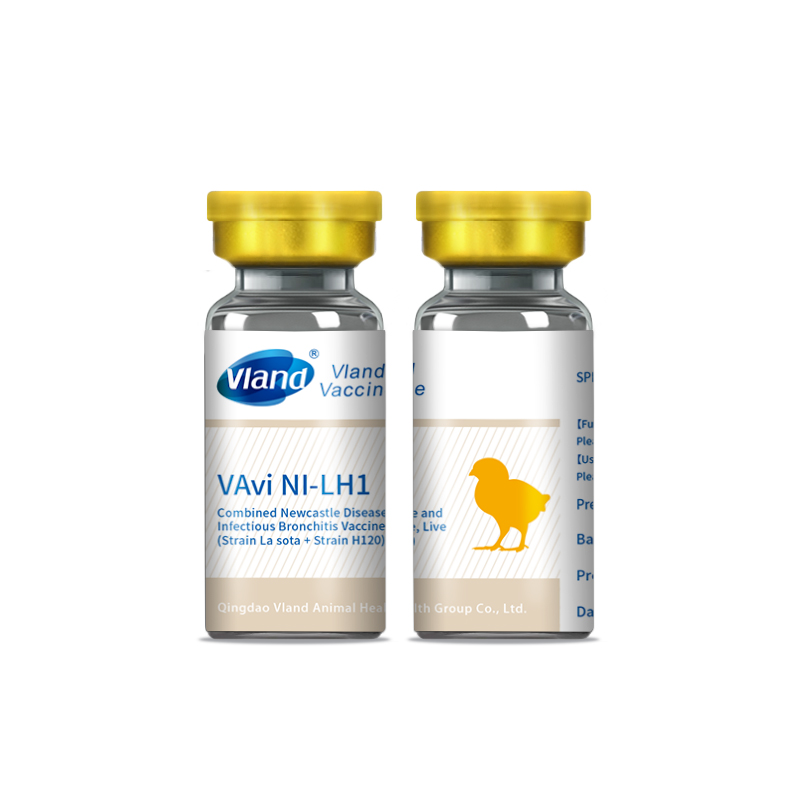
Live vaccines use weak forms of viruses. These vaccines help birds build strong protection. Your flock stays safe from diseases. Live vaccines work fast and control sickness quickly. Newcastle Disease and Infectious Bronchitis live vaccine help stop ND and IB. These vaccines protect against big problems in poultry. There are also live vaccines for Fowlpox. Vland Animal Health has Duck Plague Vaccine and Gosling Plague Vaccine for waterfowl.
Tip: Live vaccines usually give stronger and longer-lasting protection than other types.
Here is a table showing how live vaccines compare to other types:
Vaccine Type | Mechanism | Effectiveness |
|---|---|---|
Live Vaccines | Made from attenuated pathogens, stimulating a strong immune response. | Typically induce stronger and longer-lasting immunity. |
Inactivated Vaccines | Produced by killing pathogens, retaining antigenic properties. | Generally safer and suitable for mass vaccination. |
Monovalent Vaccines | Target a single pathogen, often requiring multiple doses. | Effective for specific diseases like avian influenza. |
Combined Vaccines | Combine antigens of multiple pathogens, reducing vaccination frequency. | Convenient and cost-effective for preventing multiple diseases. |
Live vaccines fight common diseases in poultry. They give high protection for Avian Encephalomyelitis and Fowlpox. Newcastle Disease and Infectious Bronchitis live vaccine also help stop ND and IB. These vaccines are important for keeping birds safe.
Inactivated vaccines use killed viruses. These vaccines cannot make birds sick. You use inactivated vaccines when you want safety and trust. They are good for vaccinating many birds at once. You often need more than one dose for full protection. Vland Animal Health makes inactivated vaccines for different poultry diseases. Duck Plague Vaccine and Gosling Plague Vaccine are inactivated vaccines for waterfowl.
Here is a table showing how inactivated vaccines help prevent disease:
Vaccine Type | Description | Effectiveness in Disease Prevention |
|---|---|---|
Live Attenuated Vaccines | Contains weakened strains of viruses that stimulate immune response. | Highly effective against diseases like Newcastle disease and infectious bronchitis. |
Inactivated Vaccines | Composed of killed pathogens that cannot cause disease. | Effective in preventing diseases but may require multiple doses for full immunity. |
Combined Vaccines | Target multiple pathogens in one formulation. | Convenient and cost-effective, preventing several diseases simultaneously. |
Monovalent Vaccines | Designed to target a single pathogen. | Effective for specific diseases like avian influenza and chicken measles virus. |
Administration Methods | Various methods including drinking water, spray, and injections. | Each method has specific advantages for different types of vaccines and flock sizes. |
You can use inactivated vaccines for diseases like avian influenza. These vaccines are safe and easy to use in big flocks. Combined vaccines often have inactivated vaccines to protect against many diseases at once.
Recombinant vaccines use new technology. Scientists put foreign genes into a viral vector. Your birds get special protection. These vaccines help birds build strong and lasting immunity. You get long-lasting protection with few side effects. Recombinant vaccines beat problems from maternal antibodies. You can give them under the skin or in eggs.
Here is a table comparing recombinant vaccines to traditional vaccines:
Feature | Recombinant Vaccines | Traditional Vaccines |
|---|---|---|
Mechanism | Incorporates foreign genes into a viral vector | Inactivated or attenuated viruses |
Immune Response | Induces specific cellular and humoral responses | Primarily humoral response |
Duration of Immunity | Provides long-lasting immunity | Varies, often shorter |
Maternal Antibody Interference | Overcomes interference from maternal antibodies | Susceptible to interference |
Adverse Reactions | Minimal adverse reactions | Higher potential for adverse effects |
Risk of Virulence Reversion | Low risk of virulence reversion | Higher risk |
Administration Method | Can be administered subcutaneously or in ovo | Typically requires multiple doses |
Development Speed | Rapid generation of recombinant viruses | Slower development process |
Recombinant vaccines protect your birds from new and changing diseases. These vaccines are safe and work well for your flock. Combined vaccines often use recombinant technology to fight many diseases.
Note: Combined vaccines lower the number of shots needed. You save time and protect your birds from many diseases at once.
You see combined vaccines in many poultry health plans. Vland Animal Health has combined vaccines to help stop disease outbreaks and boost flock growth.
Type | How It Works | Benefits for Poultry | Example from Vland Animal Health |
|---|---|---|---|
Live Vaccines | Uses weakened pathogens | Strong, lasting immunity | Duck Plague Vaccine, Gosling Plague Vaccine |
Inactivated Vaccines | Uses killed pathogens | Safe, suitable for mass vaccination | Duck Plague Vaccine, Gosling Plague Vaccine |
Recombinant Vaccines | Uses genetic technology | Targeted, long-lasting protection | Combined vaccines for multiple diseases |
You need to pick the right vaccines for your birds. Live vaccines, inactivated vaccines, and recombinant vaccines each have special benefits. Combined vaccines help protect your flock from many diseases with fewer shots. Vland Animal Health offers many vaccines to fit your needs.
Giving vaccines helps your birds learn to fight viruses. Vaccines show the immune system what a germ looks like. This way, the body can remember and attack it later. Your poultry have special sensors called Toll-like receptors, or TLRs. These sensors help start the body’s defense when a vaccine is given. TLRs are important for a strong immune response. They help make cytokines, which are tiny messengers. Cytokines tell immune cells what to do. They help T-cells grow and get ready to fight real infections.
Vaccines sometimes use adjuvants to make them work better. Adjuvants can be immunostimulants, like TLRs and cytokines. They can also be delivery agents that help the vaccine last longer. These helpers let you use less vaccine and sometimes skip extra shots. Your birds get protection that lasts a long time.
Here is how vaccines help your birds stay healthy:
Vaccines turn on TLRs to start the immune response.
TLRs help make cytokines, which guide T-cells to fight viruses.
Adjuvants make the vaccine work better, so you need fewer doses.
Delivery agents keep the vaccine parts safe for the immune system.
Your birds make memory cells that remember the disease and protect them later.
When you use Newcastle Disease and Infectious Bronchitis live vaccine, your flock gets strong protection. These vaccines give your birds what they need for Prevention ND and IB.
Vaccines are one of the best ways to keep birds healthy. Using vaccines stops diseases before they spread in your flock. Immunization keeps your birds from getting sick. You lose fewer birds and see better growth.
Healthy birds grow faster and lay more eggs. Vaccines help you reach these goals by stopping common diseases. Immunization also means you spend less money on medicine. Your birds stay strong, and your farm does better.
You can pick different vaccines for different needs. Some vaccines, like Newcastle Disease and Infectious Bronchitis live vaccine, protect against more than one disease. This helps with Prevention ND and IB at the same time. You save time and keep your flock safe with fewer shots.
Immunization also keeps your farm safe from outbreaks. When most birds have vaccines, diseases cannot spread easily. This is called herd immunity. Your whole flock stays healthier, and you get better results every season.
Here are some benefits of using vaccines for your birds:
Fewer sick birds and less disease in your flock
Better growth and more eggs
Lower costs for medicine and treatments
Stronger, healthier birds with long-lasting protection
Easier Prevention ND and IB with combined vaccines
Immunization is a smart choice for every poultry farmer. You protect your birds, help your farm, and keep your flock healthy year after year.
Injection is a common way to give vaccines. You use a needle to put the vaccine into the bird’s body. Intramuscular and subcutaneous injections help the vaccine get into the bird well. This way is good for inactivated vaccines and special birds. Sometimes, you use injection for Newcastle Disease and Infectious Bronchitis live vaccine. Injection gives strong protection and is good for exact dosing.
Tip: Injection works best for small groups or important birds. It makes sure each bird gets the right amount.
Drinking water and spray make it easy to vaccinate many birds. You mix the vaccine in water, and birds drink it in a short time. Drinking water immunization is good for live vaccines, like for infectious bursal disease. You can use lights and feeding to help birds drink the vaccine fast.
Spray vaccination covers the flock by putting the vaccine in the air. Birds get the vaccine through their eyes, nose, or mouth. Spray immunization is quick and saves work. It gives an immune response in three days and protection in two to three weeks. Spray vaccination has fewer side effects and is good for young chicks and birds in big houses.
Here is a table that shows how the methods compare:
Method of Vaccination | Description | Efficacy Considerations |
|---|---|---|
Drinking Water Immunization | Vaccine dissolved in water for birds to drink | Best for live vaccines in breeder flocks |
Spray Immunization | Vaccine misted for inhalation | Effective for full flock coverage |
Intramuscular and Subcutaneous Injection | Direct injection into the body | Ensures complete absorption, ideal for high-value birds |
Ocular and Nasal Vaccination | Drops into eyes or nostrils | Rapid immune activation |
You need to think about a few things when picking the best vaccination method. How easy it is, how common the disease is, how well the vaccine works, safety, and cost all matter. For big flocks, drinking water and spray save time and work. For small or special flocks, injection gives exact results. Prevention ND and IB often uses more than one way for better results.
Factor | Description |
|---|---|
Ease of Administration | Simple delivery for the whole flock |
Disease Prevalence | Targets common diseases in your area |
Vaccine Efficacy | Ensures strong protection |
Safety | Keeps birds safe from side effects |
Cost-Effectiveness | Balances cost with health benefits |
You can use more than one method to fit your flock. Good vaccination choices help your birds stay healthy and grow well.
Newcastle Disease Vaccine helps keep your flock safe. It stops outbreaks and keeps birds healthy. This vaccine lowers how often disease happens. It also makes the sickness less severe. Your birds stay healthy and produce more eggs or meat. Vaccinated birds stay protected for a longer time. They show milder symptoms if they get sick. Fewer birds die, and less virus spreads. You can use monovalent vaccines for Newcastle disease. Combined vaccines like Newcastle Disease and Infectious Bronchitis live vaccine help with Prevention ND and IB.
Vaccines lower disease risk.
Birds gain stronger immunity.
Farms see fewer losses.
Marek’s Disease Vaccine fights a common disease in poultry. This disease affects nerves and organs. Monovalent vaccines target Marek’s disease. Early vaccination gives birds the best chance to stay healthy. Birds have less paralysis and fewer tumors. Vaccines protect your flock and help them grow better.
Vaccine Type | Target Disease | Benefit |
|---|---|---|
Monovalent vaccines | Marek’s disease | Reduces paralysis, tumors |
Infectious Bronchitis Vaccine stops a disease that hurts birds’ breathing. You can use spray vaccination or in-ovo vaccination. Early vaccination in hatcheries protects chicks from disease. You can use drinking water, spray, or injection for immunization. Spray vaccination works well for day-old chicks. It targets the upper respiratory tract. Special equipment makes sure all birds get the vaccine. Initial shots and booster shots are important. Combined vaccines like Newcastle Disease and Infectious Bronchitis live vaccine help with Prevention ND and IB.
Vaccines protect chicks early.
Spray vaccination covers large flocks.
Booster shots keep immunity strong.
Infectious Bursal Disease Vaccine protects young chickens from a disease that attacks their immune system. You can use monovalent or combined vaccines for this disease. The novel in ovo-attenuated live vaccine gives higher protection than recombinant vaccines. Picking the right vaccine lowers death rates in young birds. You see fewer losses and stronger chickens.
Vaccines reduce mortality.
Birds develop better immunity.
Farms avoid disease outbreaks.
Duck Plague Vaccine and Gosling Plague Vaccine protect waterfowl from deadly disease. Monovalent vaccines are used for these diseases. Vaccines keep ducks and goslings safe and help them grow strong. Vland Animal Health offers these vaccines to support your flock’s health.
Vaccine Type | Target Disease | Benefit |
|---|---|---|
Monovalent vaccines | Duck plague | Protects waterfowl |
Monovalent vaccines | Gosling plague | Keeps goslings healthy |
Common poultry vaccines help fight disease and keep your flock productive. Monovalent vaccines target specific diseases. Combined vaccines help with Prevention ND and IB. Vaccines are important for poultry health and farm success.
You must be careful with vaccines so they work well. Always keep vaccines between +2 °C and +8 °C. If vaccines get too hot or cold, they stop working. Live vaccines lose power if they get warm. Adjuvanted vaccines break if they freeze. Train everyone to follow these rules. Check storage temperatures often. Throw away expired vaccines right away. Keep the cold chain during transport and storage. This is very important for vaccination. Following these steps helps protect your flock from disease.
Biosecurity is a must on poultry farms. It protects farms from biological threats. Without good biosecurity, disease outbreaks can happen. Chickens become weak and vaccines may fail. The vaccine strain can change and cause sickness.
You need strong biosecurity for vaccines to work well. Clean equipment often. Limit visitors to your farm. Keep wild birds away from your flock. Vaccination should be part of a health plan. Good hygiene and biosecurity are important. This helps you get the best results from your vaccines.
A good vaccination schedule keeps your birds healthy. Follow a plan that fits your birds’ ages and needs. Missing a vaccine or giving it at the wrong time leaves birds unprotected. Here is a sample schedule for chickens:
Age (Days) | Vaccine | Route | Purpose |
|---|---|---|---|
0 | Marek’s Disease | Subcutaneous | Prevents paralysis, tumors, leg weakness, and sudden death |
0 | Newcastle Disease | Eye drop / Drinking water | Protects against severe respiratory and nervous disease with high mortality |
7 | Infectious Bursal Disease | Drinking water | Protects the immune system and prevents vaccine failure later in life |
14 | Newcastle Disease | Drinking water / Eye drop | Strengthens immunity against outbreaks |
18-21 | Infectious Bursal Disease | Drinking water | Ensures full protection of the bursa and long-term immunity |
14-21 | Fowl Pox | Wing stab | Prevents skin lesions, poor growth, and mortality |
4-6 weeks | Fowl Pox | Wing stab | Prevents comb, wattles, and skin lesions that reduce productivity |
6-8 weeks | Newcastle Disease | Drinking water / Spray | Maintains strong flock immunity |
8-10 weeks | Infectious Bronchitis | Spray / Drinking water | Prevents respiratory problems, poor egg size, and shell defects |
12-14 weeks | Newcastle Disease + Infectious Bronchitis | Injection | Builds long-lasting immunity before onset of laying |
16-18 weeks | Egg Drop Syndrome | Injection | Prevents sudden drop in egg production and poor shell quality |
During production | Newcastle Disease | Every 2-3 months | Maintains immunity based on disease pressure |
Always follow advice from your vet. Watch the vaccination process closely. Proper scheduling and monitoring help you avoid missed birds. This keeps your flock safe. Using Newcastle Disease and Infectious Bronchitis live vaccine at the right time helps Prevention ND and IB. Paying attention to these details keeps your birds healthy and your farm successful.
You get lots of benefits when you use the right poultry vaccines.
Vaccines help birds grow faster and use food better.
You lose fewer birds and spend less on medicine.
Your flock is healthier and easier to sell.
Giving vaccines the right way and on time stops disease outbreaks. You keep your birds safe from things like Newcastle Disease and Infectious Bronchitis. Ask your vet for the best advice. Pick trusted brands like Vland Animal Health for good results.
Vaccines help your flock do well and keep your farm strong.
It is best to vaccinate chicks when they are very young. Most people give vaccines in the first week. Early shots help chicks build strong immunity. This protects them from common diseases. Always ask your veterinarian for the right schedule.
Keep vaccines cold, between +2 °C and +8 °C. Store them in a refrigerator and check the temperature often. Do not freeze vaccines. Good storage keeps vaccines working well. This helps protect your flock.
Yes, you can use Newcastle Disease and Infectious Bronchitis live vaccine for both diseases. Combined vaccines make Prevention ND and IB easier. They save time and lower stress for your birds.
Drinking water and spray are the easiest ways for big flocks. These methods let you vaccinate many birds fast. They also help you do less work. Live vaccines are good for these methods.
A vaccination schedule keeps your birds safe. If you miss a dose, your birds can get sick. Follow your veterinarian’s plan for strong immunity and healthy birds.


