
English


Views: 0 Author: Site Editor Publish Time: 2026-04-09 Origin: Site


Commercial poultry integrators face persistent baseline mortality rates and breakthrough infections despite standard vaccination protocols. High-density flock environments amplify these threats continuously. Operations encounter severe pathogens before bird immune systems mature completely. Traditional live-attenuated and inactivated vaccines often suffer from slow seroconversion and variable cross-species efficacy. This proves particularly challenging in waterfowl and mixed-flock operations. Young flocks remain exposed during critical early developmental days. Standard adaptive immunity simply builds too slowly to ensure survival. Formulating or supplementing protocols by incorporating specialized Duck antibodies offers a targeted, passive-immunity bridge. This strategic intervention stabilizes flock health, minimizes breakthrough viral shedding, and protects your operational return on investment. This guide thoroughly examines clinical mechanics, economic viability, and precise procurement criteria. You will discover practical methods to integrate duck-derived immunoglobulins seamlessly into daily commercial poultry operations.
Rapid Pathogen Neutralization: Duck antibodies provide immediate passive immunity, closing the vulnerable "serological gap" before traditional vaccines trigger full adaptive responses.
Targeted Disease Control: High-titer specific antibodies are critical for intercepting severe waterfowl outbreaks, playing a foundational role in the prevention of gosling plague and related parvociruses.
Scalable Efficacy: When evaluated strictly on cost-per-survivor, integrating antibody therapies improves feed conversion ratios (FCR) and reduces total prophylactic antibiotic reliance.
Implementation Caveats: Successful deployment requires precise timing to avoid interference with live-vaccine replication and strict adherence to cold-chain storage parameters.
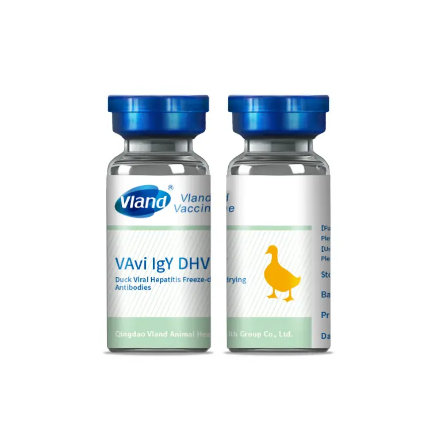
Vaccines do not create instantaneous protection. When farm technicians administer standard vaccines, the avian immune system requires substantial processing time. B-cells must recognize the foreign antigens. They must multiply rapidly. Finally, they must synthesize protective proteins. This entire biological cascade takes between 10 to 14 days. We call this the serological gap. High-density commercial houses cannot pause production during this delay. Endemic field strains circulate aggressively. Pathogens exploit this two-week vulnerability window ruthlessly. Consequently, flocks suffer high morbidity rates before their adaptive immunity even activates.
Breeder hens naturally transfer maternal antibodies into their eggs. Chicks and ducklings hatch possessing temporary, borrowed immunity. However, these maternal proteins degrade unpredictably over time. This creates a severe operational dilemma. If farm managers administer live-attenuated vaccines too early, circulating maternal antibodies intercept the vaccine antigens. They neutralize the protective dose instantly. The young bird fails to develop permanent immune memory. As maternal protection eventually fades entirely, massive flock sub-populations remain entirely unprotected. This dynamic turns large-scale houses into ticking biological time bombs.
Breakthrough infections destroy carefully calculated flock economics. Viral shedding spreads exponentially across mixed operations. Single-vector vaccines struggle immensely against highly mutational pathogens. They simply cannot provide comprehensive coverage across varying disease pressures. Operations experience devastating spikes in culling rates. Feed conversion ratios plummet as sick birds consume nutrients without gaining weight. Without supplementary immunological support, standard protocols fail to stop acute outbreaks. The resulting financial losses cripple quarterly profit margins.
Biological science offers a targeted solution to bridge the serological gap. We can introduce passive immunity directly using Immunoglobulin Y (IgY). Extracted from hyperimmunized ducks, IgY possesses distinct structural advantages over mammalian IgG. Mammalian antibodies bind aggressively to mammalian complement proteins. This binding triggers massive, sometimes fatal, inflammatory cascades. Avian IgY lacks the specific hinge structures required to activate these complement pathways destructively. You can administer duck IgY safely across avian species. It significantly reduces off-target inflammatory responses in vulnerable poultry.
Duck antibodies execute two distinct cellular functions simultaneously. First, they perform rapid neutralization. High-titer IgY molecules locate viral surface epitopes instantly. They bind tightly to these structures. This physical barrier blocks the pathogen from entering healthy host cells. The virus remains locked harmlessly outside. Simultaneously, these antibodies initiate opsonization. They tag the neutralized viral particles for destruction. Host macrophages recognize these antibody tags quickly. The macrophages engulf and digest the neutralized pathogens, clearing the infection entirely.
Specific pathogens devastate waterfowl hatcheries relentlessly. Goose parvovirus acts swiftly, killing young birds within days of exposure. Scientists successfully isolate and refine highly concentrated goose parvovirus antibodies from meticulously hyperimmunized ducks. This hyperimmunization process generates massive volumes of targeted proteins. Early administration intercepts catastrophic outbreaks effectively. Clinical outcomes demonstrate dramatic success regarding the direct prevention of gosling plague. Hatchery managers report drastically reduced acute mortality rates. Derzsy’s disease loses its lethal grip on early-stage commercial flocks.
These biological benefits extend far beyond waterfowl. Duck-derived IgY provides excellent cross-protection in commercial broiler and layer chickens. Avian immune systems share critical functional similarities. You can deploy robust duck preparations against prevalent respiratory or enteric pathogens affecting chickens. Broilers tolerate these heterologous proteins remarkably well. This cross-species capability allows integrators to standardize their biological interventions across multiple production divisions.
Enteric disease management reveals another highly scalable application. Producers utilize oral administration routes effectively for localized protection. You mix purified immunoglobulins directly into the house drinking water. The proteins travel immediately into the gastrointestinal tract. They neutralize localized bacterial pressures upon contact. This targeted intervention yields excellent clinical results.
Reduced enteritis: Intestinal inflammation drops significantly within 48 hours.
Optimized digestion: Healthy gut villi absorb feed nutrients efficiently.
Uniform growth: Flocks reach processing weights consistently without lagging sub-populations.
Antibiotic reduction: Managers decrease their reliance on prophylactic antibiotic treatments.
Not all biological products deliver consistent field results. You must establish a strict buyer's framework. First, scrutinize extraction purity and titer standardization. Audit the prospective supplier’s entire manufacturing process. You must insist on batch-to-batch titer consistency. Request verifiable laboratory documentation detailing their hyperimmunization protocols. Inconsistent antibody titers lead directly to unpredictable flock protection. Impure extracts containing non-specific proteins often cause adverse flock reactions.
Evaluate financial viability through specific performance metrics. Do not judge biologicals strictly on upfront per-dose pricing. Measure net-yield improvements instead. Calculate the precise value of reduced early culling. Measure the financial impact of higher carcass uniformity at processing facilities. Healthier birds reach target market weights faster. They consume substantially less feed per pound gained. This comprehensive outcome analysis reveals the true return on investment.
Assess biological delivery flexibility thoroughly. Ensure the product fits your existing farm workflows seamlessly. Labor represents a massive operational expense. You must evaluate how technicians will administer the product practically. Can farm staff aerosolize the solution for respiratory targets? Can they deliver it via standard drinking water lines for enteric pathogens? Does the protocol strictly require labor-intensive subcutaneous injection? Flexible administration parameters reduce labor costs dramatically.
Finally, verify your regional regulatory and compliance footprints. Local veterinary authorities enforce strict biological regulations. Confirm specific rules regarding heterologous antisera usage. Ensure purified IgY remains entirely compliant for food-producing animals in your specific jurisdiction. Always maintain transparent documentation for auditing purposes.
Supplier Audit Checklist
Audit Category | Key Questions to Ask Suppliers | Red Flags |
|---|---|---|
Titer Verification | Can you provide independent batch testing certificates? | Refusal to share lab data. |
Purity Standards | What is the exact protein extraction methodology? | High non-specific protein counts. |
Delivery Compatibility | Is this formula stable in chlorinated drinking water? | Only approved for individual injection. |
Every biological intervention carries operational risks. Administration timing presents the greatest challenge. Live-vaccine interference destroys otherwise excellent prophylactic strategies. You must address staggered administration schedules immediately. If technicians inject duck IgY and a live-attenuated viral vaccine simultaneously, the antibodies will neutralize the vaccine antigens. The flock gains temporary passive immunity but zero long-term adaptive memory. Space out the interventions logically. Allow the temporary passive shield to degrade slightly before introducing live vaccines.
Best Practice: Consult your attending veterinarian to chart exact decay curves for the specific IgY dosage. Schedule live vaccines precisely when passive titers drop below interference thresholds.
Storage disciplines require rigorous attention. Understand your facility's cold-chain vulnerabilities completely. Purified IgY exhibits different thermal stability limits compared to standard freeze-dried vaccines. Liquid protein structures degrade rapidly under improper temperatures. Maintain strict refrigeration protocols from the supplier's loading dock straight into the poultry house. Never allow temperature fluctuations to compromise your valuable biological inventory.
Common Mistake: Leaving mixed antibody solutions sitting in warm header tanks for extended periods. Heat destroys immunoglobulin efficacy quickly.
Design a strict, measurable pilot testing protocol. Never roll out untested biologicals across your entire enterprise simultaneously. Implement a highly structured phased rollout strategy. Isolate a single commercial house or one specific hatchery cohort. Measure baseline mortality reductions accurately. Compare these metrics carefully against standard control flocks operating under identical environmental conditions. Gather solid empirical data first. Expand product usage enterprise-wide only after proving undeniable local efficacy.
Duck antibodies serve as a highly specialized intervention, not a fundamental replacement for strict biosecurity or primary vaccination. They operate as a high-leverage biological tool. Integrators deploy them to stabilize high-risk flocks, bridge dangerous serological gaps, and manage acute outbreak scenarios efficiently. They provide targeted relief exactly when young birds need it most.
Your next steps require deliberate action. Advise your veterinary directors and farm managers to evaluate current baseline mortality data. Identify specific vulnerability windows in your production cycles. Request clinical trial data and batch-consistency reports from prospective biological suppliers. Focus your initial inquiries specifically on target pathogens active in your geographic region. By integrating passive immunity thoughtfully, you secure flock health and protect your operational profitability.
A: No. They provide passive immunity, which is immediate but transient (typically lasting 2 to 4 weeks depending on metabolism and dose). They must be paired with standard vaccines for long-term protection.
A: Highly critical in endemic regions. Early administration is often the only reliable method for the prevention of gosling plague, as young waterfowl succumb to the virus before their native immune systems can respond to standard vaccines.
A: Clinical evidence indicates minimal adverse reactions, as avian IgY does not trigger the same hypersensitivity pathways across bird species as mammalian proteins would. However, purity of the extract is essential to avoid non-specific protein reactions.
A: While injection provides the most predictable systemic titers (crucial for systemic viral threats), oral administration via drinking water is highly scalable and cost-effective for localized enteric (gut) pathogens. Evaluation depends on the target disease vector.


