
English


Views: 0 Author: Site Editor Publish Time: 2026-03-24 Origin: Site


Choosing the right poultry vaccine can help you protect your flock from disease and keep your birds healthy. You need to think about your flock’s needs and the risks in your area. Many poultry keepers ask experts for help because the right timing and method of vaccination matter. You also want to avoid losses from disease or mistakes with handling. Vland Animal Health offers trusted solutions, so you can feel confident about your flock’s care.
Look at your flock’s size, age, and breed. This helps you pick the best vaccination plan. Every bird gets the right protection this way.
Learn about diseases in your area and talk to veterinarians. This helps you pick good vaccines. Knowing more keeps your flock safe from sickness.
Know how live and inactivated vaccines are different. Pick the one that fits your birds and the diseases near you.
Make a vaccination plan and write down what you do. This helps you remember shots and keeps your flock healthy.
Watch your flock for side effects after shots. Acting fast can stop bigger problems and keep your birds healthy.
Think about how many birds you have and what kind they are. If your flock is big, you may need to vaccinate all at once. This saves time and helps every bird get covered. Look at the table below to see how flock size changes your plan:
Flock Size | Vaccination Method |
|---|---|
Up to 45,000 birds | Mass vaccination techniques |
Varies by disease | Proportion of birds vaccinated |
Big flocks often join special vaccine programs. These flocks usually get more vaccines. Small backyard flocks do not spread as many diseases, but you still need to protect them. Commercial flocks must plan well to stop disease from spreading.
How old your birds are and their breed can change how vaccines work. Baby chicks might not get strong protection because their bodies are still growing. When you give the vaccine matters a lot. If you do it too soon, it might not help. Some breeds are stronger and fight off sickness better. These birds stay healthier after getting vaccines. The table below shows how age and breed matter:
Factor | Details |
|---|---|
Age | Early vaccination may fail; timing is crucial for best protection. |
Breed | Some breeds have genetic resistance, leading to better vaccine results. |
Think about why you keep your birds. Meat birds, egg layers, and breeding birds all need different care. Each group needs its own vaccine plan. Meat birds grow fast and need early shots. Egg layers need to stay healthy for a long time. Breeding birds must be strong to have healthy babies. The table below shows what matters for each group:
Factor | Description |
|---|---|
Species | Different birds need different vaccines. |
Age | Young and old birds may need different vaccine schedules. |
Immune Status | Healthy birds respond better to vaccines. |
Disease Prevalence | Some diseases are more common in certain types of flocks. |
A good vaccine plan keeps your birds safe. It also means you use fewer antibiotics. This helps your farm do well.
You need to find out what diseases can hurt your flock. Start by learning about the most common poultry diseases near you. Disease risks are not the same everywhere. Some places have more viral infections. Other places have more bacterial problems.
Here are some examples of common poultry diseases in different countries:
In Egypt, broiler flocks often get viral co-infections like H9 + b, nd + b, and nd + h9.
In Ethiopia, you may see Newcastle Disease Virus (NDV), avian metapneumovirus (aMPV), infectious laryngotracheitis virus (ILTV), infectious bronchitis virus (IBV), and Mycoplasma gallisepticum (MG).
In Turkey, mixed infections with avian coronavirus, infectious bronchitis virus, and avian metapneumovirus often cause breathing problems.
You should check local reports or talk to other poultry keepers about new outbreaks. Disease patterns can change with the seasons or when new birds arrive. Keep a record of any sickness in your flock. This helps you notice patterns and act fast.
Tip: Make a simple chart to track which diseases show up most in your area. This helps you pick the right vaccines.
Veterinarians and local extension services know about disease risks in your area. You should ask them for advice. They can tell you which diseases are active and which vaccines work best. These experts often have the latest news about outbreaks and new threats.
You can ask your veterinarian questions like:
What diseases should I worry about this season?
Which vaccines do you recommend for my flock?
How often should I vaccinate my birds?
Extension agents can also give you helpful guides and training. They may offer workshops or printed materials about poultry health. By working with these experts, you make better choices for your flock’s safety.
Note: Building a relationship with your local veterinarian or extension agent gives you a trusted source for advice.
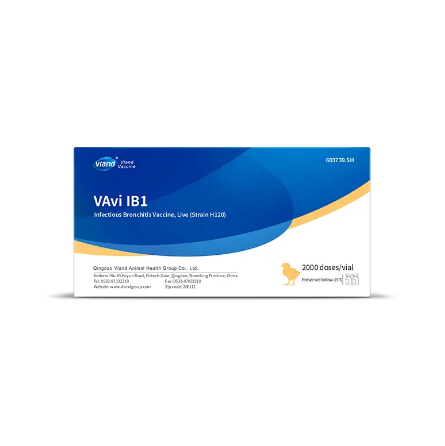
Picking the right poultry vaccine means you need to know about the different types. Each type works in its own way to protect your flock. You should choose a vaccine that fits your birds’ needs and the diseases in your area. It is also important to pick the best way to give the vaccine. Vland Animal Health has many poultry vaccine choices. Some examples are Duck Plague Vaccine, Gosling Plague Vaccine, and Antibodies Extracted from Chicken Egg-Yolk against Infectious Bursal Disease. These products help keep your birds safe from common sicknesses.
There are two main kinds of poultry vaccine: live and inactivated. Each kind works in a different way inside your birds. Live vaccines use weak germs that do not make birds very sick. Inactivated vaccines use germs that are dead or just parts of them. The table below shows how these two types are not the same:
Feature | Live Vaccines | Inactivated Vaccines |
|---|---|---|
Replication in Host | Yes, can replicate and spread among birds | No, does not replicate in the host |
Immune Response | Induces both cell-mediated and humoral responses | Primarily induces humoral responses (IgG) |
Application Method | Easier, can be given in drinking water or eye-drop | Requires injection, more labor-intensive |
Cost | Generally cheaper to produce | More expensive due to high-titer requirements |
Risk of Disease | Potential for clinical signs due to virulence | Safer, but may cause local tissue damage |
Stability | Less stable, requires cold chain | More stable, easier to transport |
Use in Village Poultry | Effective without prior live vaccination | Used after initial live vaccination |
Live vaccines often give strong protection. They help the body fight germs in many ways. Inactivated vaccines are good for making IgG, which helps fight disease in the blood. You should use live vaccines if you want fast and wide protection, especially for young birds. Inactivated vaccines are safer for older or weak birds.
Tip: Pick vaccines that match the germs found in your area. This helps your flock fight the diseases they are most likely to get.
Combination vaccines can protect your flock from more than one disease at the same time. These vaccines save you time and make things easier for your birds. You can use a vombination vaccine if you need to protect against many diseases, like Newcastle Disease and Avian Influenza. Studies show that combination vaccines make lots of antibodies and keep birds safe for months.
Evidence Type | Findings |
|---|---|
Antibody Response | No significant difference in antibody titers against Newcastle Disease (ND) and Avian Influenza (AI) between combined and single vaccines |
Positivity Rates | High positivity rates and low coefficients of variation observed with combined vaccines |
Immune Protection | Complete immune protection against targeted strains with combined vaccines, maintaining high antibody levels for an extended duration |
Immune Duration | High levels of antibodies maintained for over six months |
Combination vaccines are also safe to use. They help you keep your flock healthy without giving too many shots. Vland Animal Health has poultry vaccine options that can be used together to cover more diseases. This is helpful if your area has many disease risks.
Note: Combination vaccines mean you do not have to handle your birds as much. This lowers stress and saves you work.
How you give the poultry vaccine is just as important as which one you pick. There are a few ways to do this:
Coarse Spray: Good for chicks right after they hatch. This way covers many birds fast.
Drinking Water: Lets you vaccinate lots of birds at once. You must mix the water right so every bird gets enough.
Injection: Needed for inactivated vaccines. This takes more time but gives strong protection.
Eye-Drop or Nasal Drop: Used for some live vaccines. This way goes straight to the bird’s immune system.
The table below shows how the body fights germs with each vaccine type:
Immune Response Requirement | Preferred Vaccine Type |
|---|---|
Cell-Mediated Immunity | Live Vaccines |
Mucosal Antibody Responses | Live Vaccines |
IgG Responses | Inactivated Vaccines |
Always follow the directions for each poultry vaccine. Keep vaccines cold, between 2-8°C, so they work well. Make sure every bird gets the vaccine, especially when using water or spray. If some birds miss the vaccine, they can still get sick.
Tip: Ask your veterinarian which way is best for your flock’s size and age. Using the right method helps every bird get protected and keeps your flock strong.
Choosing the right poultry vaccine and the best way to give it helps stop disease and keeps your birds healthy. Vland Animal Health has many vaccines and ways to use them to help your farm do well.
You should vaccinate chicks at the right time. Early vaccines protect chicks from many diseases. This helps them stay healthy as they grow. When you vaccinate at the right time, your flock grows better. It also helps them use their food well. Giving vaccines during incubation can help chicks grow faster. It can also help them eat better. Always ask your veterinarian when to vaccinate. Your veterinarian knows the best time and way to give vaccines. Some vaccines go in the water. Others need an injection. Using the right way makes sure every chick gets enough vaccine.
Tip: Ask your veterinarian which vaccine method is best for your flock’s age and size.
You need a clear plan for all vaccinations. A good plan keeps your flock healthy. Vaccines work best with good food, clean water, and strong biosecurity. If you follow a schedule, you lower the chance of disease. The right timing and how often you vaccinate can help your birds grow. It also helps them use their food better. You can use Vland Animal Health products to help your flock. These products include medicines and feed additives. They help your birds stay strong and grow well.
Phytogenic feed additives help gut health and boost immunity.
Natural additives support antibiotic-free production and meet what buyers want.
You must keep good records of all vaccinations. Many poultry keepers forget this step. But it is very important. Writing down vaccine dates helps you follow your plan. It also helps you not miss any doses. Studies show most producers do not keep records or follow a plan. Good records show which vaccines your flock got and when. This helps you talk to your veterinarian. It also helps you plan future vaccines.
Write down each vaccine date and method.
Note any side effects or reactions.
Check your records before buying new vaccines.
Note: Good records help you keep your flock healthy and make better choices for future chick vaccines.
After you give your flock a vaccine, you need to watch them closely. Most birds are fine, but some might have small side effects. Look for these signs:
The spot where you gave the shot might get puffy.
You might see swelling or redness if the vaccine has special ingredients.
Birds usually act normal, and studies say their behavior does not change much.
You should also check if your birds are eating and moving like normal. If you see anything strange, call your veterinarian fast. Acting quickly can stop bigger problems.
There are different ways to check your birds after they get a vaccine. The table below shows two good ways to watch your flock:
Monitoring Practice | Description |
|---|---|
Dust Sampling | Check dust for ILTV genome copies to see if the vaccine works. |
Flock Behavior | Watch how your birds act and look for any bad reactions. |
Checking your birds often helps you find problems early and keep them healthy.
Diseases can change over time. New types can show up in your area. You need to update your vaccines to keep your flock safe. Vaccines are very important when new diseases like avian influenza appear. Work with your veterinarian to know which diseases are common near you.
Breathing problems are common in many flocks. Studies say 46.67% of poultry flocks have these problems. Broiler chickens have even more at 62.01%. The most common germs are IBV at 50% and NDV at 37.15%. These numbers show why you must pay attention and update your vaccines when needed.
You should:
Watch for sickness or bad side effects after each vaccine.
Write down which vaccines you use and when.
Tell your veterinarian if you see anything new or strange.
If you stay alert and change your vaccine plan when needed, your flock will stay strong and do well.
You can keep your flock safe by picking the right poultry vaccine. Listen to experts and follow their advice. Check your birds often to make sure they are healthy. Good habits help your birds stay strong. Talking to veterinarians helps you learn more. They also help you keep your vaccine plan current.
Strategy | Description |
|---|---|
Culling | Take away sick birds so others do not get sick. |
Gut Health | Give good food to help birds fight sickness and grow. |
Structured Routines | Make a plan for daily and seasonal jobs to lower stress. |
Learn about new vaccines when they come out. Work with Vland Animal Health to get the best care for your flock.
You should vaccinate chicks right after they hatch. Early vaccines help protect them from diseases like marek's and coccidiosis. Ask your veterinarian what schedule is best. Always follow the directions for each vaccine. This keeps your chicks healthy.
Marek's vaccination keeps chicks safe from a deadly virus. You need to vaccinate all chicks before they leave the hatchery. This helps protect your whole flock. Marek's can spread fast. Every chick needs this vaccine to stay strong.
Chicks should get the coccidiosis vaccine when they are young. This vaccine helps stop this common disease. Healthy chicks grow better and stronger. Ask your veterinarian which schedule is best for your flock.
Chicks need vaccines for marek's, coccidiosis, and fowlpox. The best schedule depends on your flock’s needs. Ask your veterinarian for advice. Write down every vaccine you give your chicks.
Vaccinate chicks based on their age and what diseases are around. Some vaccines need booster shots. Always check your records to keep track. Talk to your veterinarian for the best plan. Chicks need regular vaccines to stay healthy.


