
English


Views: 0 Author: Site Editor Publish Time: 2026-05-11 Origin: Site


Commercial pork production operates on strict margins. Respiratory disease outbreaks like PRRS, PCV2, and Swine Influenza can derail herd profitability overnight. A single pathogen spread destroys months of careful management and feed investment. At the decision stage, the focus shifts from whether you should vaccinate to how you select and deploy a swine vaccine program. You must balance efficacy, safety, and operational feasibility to protect the herd. Ignoring these protocols leaves animals vulnerable to severe secondary infections. This guide provides an evidence-based framework for evaluating modern vaccine protocols. We detail ways to mitigate common implementation risks on the farm. Finally, you will learn to measure the operational ROI of respiratory outbreak prevention.
Before evaluating any vaccination program, farm managers must build a precise working knowledge of the respiratory pathogens they face. Each disease carries a distinct clinical signature, economic burden, and production-phase vulnerability. Understanding the enemy is the first step toward designing a protocol that actually works. The following overview covers the most commercially significant respiratory and systemic diseases that modern swine vaccines are formulated to prevent or control.
Porcine Reproductive and Respiratory Syndrome Virus (PRRSV) consistently ranks as the single most economically damaging pathogen in commercial swine production globally. The virus targets porcine alveolar macrophages — the primary immune surveillance cells in the lung — and simultaneously attacks the placenta and uterine endometrium of pregnant sows. This dual-system assault creates a complex and costly clinical picture. In breeding herds, PRRSV drives late-term abortions, elevated stillbirth rates, mummified fetuses, and the delivery of weak, non-viable piglets. In nursery and finishing pigs, the virus produces severe respiratory distress, high fever, and profound immunosuppression that rapidly invites co-infections from secondary bacterial and viral pathogens. PRRSV evolves at an exceptionally rapid pace through antigenic drift and recombination, generating significant genetic diversity between field strains. This variability is the core challenge for vaccine developers and the primary reason strain matching is critical. Both modified live virus (MLV) and killed virus (KV) commercial vaccines are available, but selecting the right platform demands close veterinary guidance based on the farm's current PRRSV status and the dominant circulating lineage.
Porcine Circovirus Type 2 is a small, non-enveloped DNA virus and the causative agent of Porcine Circovirus-Associated Disease (PCVAD), which encompasses the well-documented Postweaning Multisystemic Wasting Syndrome (PMWS). PCV2 primarily targets lymphoid tissue in growing and finishing pigs, directly destroying the immune cells responsible for mounting a defense against other pathogens. Clinically, affected pigs display progressive wasting, swollen lymph nodes, labored breathing, jaundice, and severe immune collapse. The pathogen's ability to gut the immune system is what makes it so commercially devastating — it does not simply kill pigs directly, but strips away their defenses and allows secondary respiratory pathogens like PRRSV, Mycoplasma hyopneumoniae, and Pasteurella multocida to cause catastrophic co-infection. Feed Conversion Ratio (FCR) collapses in PCV2-positive herds, and the resulting herd weight variability creates a prolonged and expensive finishing phase. PCV2 vaccines are universally classified as core, non-negotiable interventions and consistently deliver among the highest documented return on investment in the entire veterinary biologics category.
Swine Influenza Virus belongs to the Influenzavirus A genus and is one of the most rapidly spreading respiratory pathogens in commercial swine facilities. SIV transmits efficiently through aerosolized respiratory secretions and can move through an entire barn within 48 to 72 hours of introduction. Clinical signs are sudden and dramatic: high fever spiking above 40°C, complete anorexia, lethargy, harsh coughing, and profuse nasal discharge. While healthy finishing pigs typically recover within seven to ten days, the production penalty is severe — feed intake collapses entirely during the febrile phase, wiping out days of average daily gain at the highest-value stage of the production cycle. In sow herds, SIV infection during early gestation can trigger reproductive failure and increased returns to service. The virus mutates continuously through antigenic drift and reassortment events, frequently generating novel hybrid strains that fall outside the coverage spectrum of commercially licensed vaccines. This is why autogenous vaccine strategies are commonly employed when diagnostic sequencing identifies divergent circulating strains on a specific farm.
Mycoplasma hyopneumoniae is the primary bacterial driver of Enzootic Pneumonia (EP), a chronic and economically damaging respiratory disease endemic to commercial swine operations worldwide. Unlike acute viral infections, Mycoplasma works insidiously over weeks and months. The pathogen colonizes the ciliated epithelium lining the lower respiratory tract, triggering persistent inflammation and progressively destroying the mucociliary escalator — the lung's primary mechanical defense barrier. Clinically, infected pigs present with a characteristic dry, non-productive cough, gradual reduction in feed intake, and measurably poor FCR. Outright mortality is typically low, making the subclinical performance drain easy to overlook. However, the most critical economic impact of Mycoplasma is its role as a primary gateway pathogen. By dismantling pulmonary defenses, it creates ideal conditions for severe secondary infections from Pasteurella multocida, Actinobacillus pleuropneumoniae (APP), and PRRSV — transforming a manageable Mycoplasma infection into full-blown Porcine Respiratory Disease Complex (PRDC). Vaccination programs targeting Mycoplasma consistently reduce lung lesion scores at slaughter and recover multiple kilograms of average market weight per pig.
Actinobacillus pleuropneumoniae is a gram-negative bacterial pathogen causing Porcine Pleuropneumonia, one of the most acutely fatal respiratory diseases in commercial swine. Unlike the slow progression of Mycoplasma, APP strikes with extreme clinical speed. Affected pigs display sudden high fever, severe respiratory distress, bloody froth from the mouth and nose, and death within hours in peracute cases. Even pigs that survive the acute phase suffer permanent fibrous pleural adhesions and large necrotic lung lesions that severely restrict breathing capacity and limit market performance. APP spreads rapidly through direct contact and respiratory droplets. Eighteen serotypes have been documented globally, and significant cross-protection variation exists between them, making serotyping through diagnostic testing essential before vaccine selection. Bacterin-based and subunit toxoid vaccines are available, and their deployment is particularly critical in late nursery and early finishing phases when pigs face high stocking density stress.
Porcine Respiratory Disease Complex is not caused by a single pathogen but represents the catastrophic clinical outcome of multiple simultaneous or sequential respiratory infections. PRDC typically involves a primary viral infection — most commonly PRRSV, SIV, or PCV2 — that cripples immune defenses and opens the respiratory tract to aggressive secondary bacterial invaders like Mycoplasma hyopneumoniae, APP, and Pasteurella multocida. The resulting pneumonia is far more severe than any single pathogen could produce independently. PRDC is the dominant cause of respiratory mortality in growing and finishing pigs and the primary driver of herd-level FCR collapse. Managing PRDC effectively requires a coordinated vaccination approach that addresses both the primary viral triggers and the bacterial opportunists simultaneously. No single product resolves PRDC — it demands a layered, vet-designed immunization calendar built around your farm's specific pathogen profile.
Disease | Pathogen Type | Primary Age at Risk | Key Economic Impact | Vaccine Classification |
|---|---|---|---|---|
PRRS | RNA Virus (Arterivirus) | All stages / Sow herd | Reproductive failure, immunosuppression, co-infections | Core / Strain-dependent |
PCV2 | DNA Virus | Nursery / Grower | Immune collapse, poor FCR, high mortality | Core (non-negotiable) |
Swine Influenza (SIV) | RNA Virus (Influenza A) | Grower / Finisher / Sows | Acute ADG loss, fever, reproductive disruption | Targeted / Strain-matched |
Mycoplasma hyopneumoniae | Bacteria | Grower / Finisher | Chronic cough, poor weight gain, PRDC gateway | Core (non-negotiable) |
APP (Pleuropneumonia) | Bacteria | Late Nursery / Finisher | Acute mortality, permanent lung lesions | Targeted / Serotype-matched |
PRDC (Complex) | Polymicrobial | Grower / Finisher | FCR collapse, high mortality, herd variability | Multi-pathogen coordinated protocol |
Strategic swine vaccine deployment minimizes clinical respiratory disease, stabilizes average daily gain (ADG), and reduces mortality rates.
Evaluating vaccines requires balancing Modified Live Vaccines (MLVs) for robust immunity against the shedding risks associated with them.
Effective herd management demands integrating respiratory protocols with broader immunization schedules, including enteric disease prevention.
Implementation success hinges on strict cold chain management, optimal timing to avoid maternal antibody interference, and rigorous record-keeping.
Outbreaks carry a steep financial baseline. You face elevated mortality rates almost immediately upon pathogen entry. Veterinary intervention costs skyrocket during these acute phases. Barn managers must deploy expensive water-soluble antibiotics to save affected groups. Surviving pigs often experience delayed time-to-market. These delays disrupt facility flow and tight production scheduling. You eventually pay penalties at the packer for under-weight animals. The financial bleeding extends far beyond the initial week of sickness.
You cannot ignore the performance metrics currently at risk. Porcine Respiratory Disease Complex (PRDC) ruins feed efficiency entirely. Feed Conversion Ratio (FCR) spikes when animals become ill. Average Daily Gain (ADG) plummets across the infected group. Pigs consume expensive rations but fail to convert them into muscle. They burn internal energy fighting off the viral or bacterial infection instead. Lung lesions permanently reduce oxygen capacity in finishing pigs. This lack of oxygen limits their ultimate growth potential.
Producers must define what a successful intervention looks like. Success rarely means zero pathogens in the environment. Instead, success equals reliable subclinical containment. The animals might carry the virus but show no outward clinical symptoms. A strong program drives a massive reduction in lung lesions at slaughter. Packers actively monitor these lung scores during routine audits. Ultimately, success requires a positive ROI per pig marketed. The investment in immunization must yield heavier, healthier pigs at closeout.
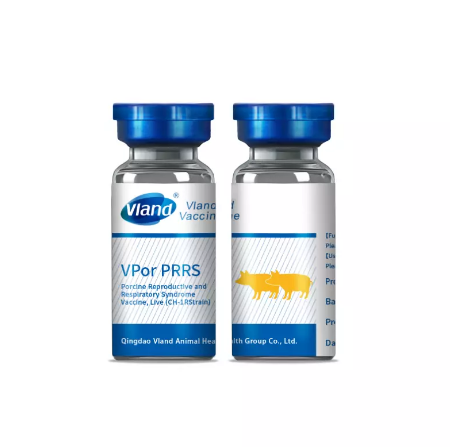
Producers primarily choose between commercial and autogenous options. Commercial products are broadly tested and highly regulated. Manufacturers use standardized production methods for these formulas. They remain ideal for common, widespread respiratory strains. Autogenous options offer a different approach altogether. Laboratories custom-manufacture them from herd-specific bacterial isolates. You need autogenous solutions when commercial options fail. They protect herds against rapidly mutated or localized strains.
Feature | Commercial | Autogenous |
|---|---|---|
Production Standardization | High; rigorously tested for mass market safety. | Variable; tailored specifically to individual farms. |
Strain Coverage | Broad coverage for widespread circulating strains. | Highly targeted to isolated, site-specific mutations. |
Approval Speed | Pre-approved and available immediately off the shelf. | Requires diagnostic lead time to culture and produce. |
Ideal Use Case | Baseline whole-herd immunity programs. | Emerging disease outbreaks lacking commercial options. |
Evaluating formats requires understanding immune response mechanisms. Modified Live Vaccines (MLVs) provide stronger cell-mediated immunity. They mimic natural infection closely. This creates a faster onset of protection for the animal. However, MLVs carry documented risks of vaccine virus shedding. Vaccinated animals might pass the weakened virus to naïve pen-mates. Killed or inactivated formats offer a high safety profile. They present absolutely no shedding risk to the herd. Unfortunately, they often require multiple boosters to maintain immunity. They also contain adjuvants to stimulate the immune system. These adjuvants occasionally cause localized injection site reactions.
Next-generation technologies are transforming disease prevention. DNA, RNA, and vector formats offer rapid responses to novel strains. They allow researchers to target specific pathogen proteins quickly. This proves invaluable against rapidly shifting influenza or PRRS strains. Market availability for these advanced platforms continues to grow. They do carry premium costs compared to traditional formats. However, their precise targeting reduces collateral immune stress on the pig.
Strain matching determines your ultimate field success. You must assess whether the selected formula provides heterologous protection. This means it defends against diverse circulating field strains. Pathogens like PRRS mutate constantly across different regions. A product designed for one strain might fail against a variant. Diagnostic sequencing helps you map the exact genetics of your farm's pathogens. You then compare this sequence against the commercial product claims. Good cross-protection limits clinical symptoms even if the strain slightly mismatches.
Every immunization program involves biological trade-offs. You must weigh the risk of post-vaccination systemic reactions carefully. Some highly adjuvanted products cause temporary fevers or lethargy. This creates a brief performance dip in the nursery. Pigs might go off their feed for 24 to 48 hours. However, you must balance this against long-term herd protection. A minor two-day feed drop easily outweighs a catastrophic respiratory outbreak. Careful veterinary consultation helps predict and manage these temporary safety reactions.
You must evaluate exactly how staff will deliver the product. Complex delivery methods invite human error and reduce compliance. Consider the following common administration techniques:
Intramuscular (IM): The traditional method using standard needles. It requires significant labor and increases animal stress during handling.
Intradermal (ID): Utilizes specialized devices to deposit fluid into the skin. This often pairs perfectly with needle-free injection systems.
Intranasal: Delivers protection directly to the mucosal lining. It creates robust local immunity right at the respiratory entry point.
Needle-free injection systems are gaining massive popularity. They eliminate the risk of broken needles in the meat. They also prevent iatrogenic pathogen spread between pigs. Evaluate your current labor availability before choosing a labor-intensive delivery method.
Herd immunity requires a deeply holistic approach. You cannot manage respiratory and enteric health in isolated silos. Respiratory stress significantly weakens systemic immune responses. A coughing pig fighting PRDC becomes highly susceptible to gut pathogens. Their energy diverts entirely to the lungs. This leaves the intestinal tract vulnerable to opportunistic bacteria. Comprehensive programs recognize the interconnected nature of the swine immune system. Building whole-herd immunity demands treating the animal as a single biological unit.
You must align your immunization schedules meticulously. Timing is an absolute logistical necessity for farm managers. You must time respiratory vaccines around protocols for devastating enteric threats. This specifically includes managing immunity against transmissible gastroenteritis and porcine epidemic diarrhea. Administering too many antigens simultaneously overwhelms the young piglet. The immune system simply cannot process five distinct threats at once. It will produce a mediocre response to all of them. Space out your critical doses to ensure maximum antibody generation.
Cross-vulnerability ruins otherwise healthy production batches. We must address how a compromised respiratory system exacerbates other conditions. Lung infections limit systemic oxygen and nutrient absorption severely. This directly increases the severity of porcine transmissible gastroenteritis if an outbreak occurs. A pig battling pneumonia cannot survive severe dehydration from scours. You need a unified, vet-approved immunization calendar. This calendar dictates exact timing for every intervention. A strategic calendar avoids overwhelming the animal's immune system. It builds a layered defense mechanism week by week.
Maternal Antibody Interference poses a massive risk to young pigs. Sows pass powerful protective antibodies to piglets through colostrum. This maternal immunity is vital for early survival. However, it creates a tricky window for farm managers. If you vaccinate piglets too early, these maternal antibodies neutralize the antigen. The piglets' immune system never actually engages. This leads to completely wasted investment and false security. You must require diagnostic profiling to map MDA decay. Blood testing reveals the exact optimal window for the first dose.
Even the best formulas fail under poor physical management. Strict cold chain management is non-negotiable on the farm. Improper storage temperatures destroy sensitive biological proteins rapidly. Leaving bottles on a hot truck dashboard degrades them instantly. Delayed use post-reconstitution also ruins modified live products. Once mixed, MLVs typically expire within a few hours. Staff must mix only what they can use immediately. Farm managers should audit refrigerators weekly using digital data loggers.
The operational cost of human error is incredibly high. You must ensure staff adhere to precise handling protocols. Common training hurdles include:
Correct Dosage: Drawing the exact milliliter requirement for every single animal without rushing.
Injection Site Accuracy: Hitting the exact neck muscle rather than injecting into fat deposits.
Needle Management: Changing needles frequently to prevent iatrogenic spread of blood-borne pathogens.
Animal Handling: Moving pigs calmly to minimize stress spikes before administration.
Training programs must be continuous. High employee turnover in barns dilutes collective farm knowledge. Standard operating procedures (SOPs) need visual aids and bilingual instructions.
Modern production demands absolute transparency. You must maintain verifiable batch records for every product used. Record the lot number, expiration date, and administrator name. Quality assurance programs require this data for compliance tracking. Packer audits routinely check these logs before processing. Antibiotic-free (ABF) programs rely entirely on preventive documentation. If you cannot prove prevention, you risk losing valuable market premiums. Good software systems replace messy paper binders in the barn.
Never change suppliers without establishing a baseline first. Producers must sequence current farm pathogens accurately. You can gather this data via oral fluids or tissue samples. Hanging rope tests in pens collect oral fluids easily. This reveals exactly which strains actively circulate in your environment. You cannot select a product blindly based on regional trends. You need site-specific genetic profiles. This baseline audit forms the foundation of your purchasing logic.
Avoid changing whole-herd protocols overnight. You should design a careful pilot rollout instead. Test the new formula on a specific, isolated cohort first. Measure the safety profile over the first week. Monitor the animals for any signs of post-vaccination shedding. Track their ADG and feed intake daily. Compare this pilot group against your historical performance baselines. This controlled environment mitigates massive financial risk. Once the cohort succeeds, you can authorize whole-herd adoption confidently.
Never finalize a program without your herd veterinarian. They bring crucial epidemiological context to the table. Engage them to finalize the cost-benefit analysis. They will help you select suppliers based on objective farm data. Marketing claims from manufacturers often highlight best-case scenarios. Your veterinarian grounds these claims in local realities. They understand the nuances of adjuvants and immune system fatigue. Make them a core part of your procurement team.
Preventing major respiratory outbreaks relies on data-driven selection and flawless operational execution. You must match the right scientific formula to your exact barn challenges. Managing the cold chain carefully protects your financial investment. Timing the delivery perfectly navigates maternal antibody interference. Expanding protection requires aligning respiratory and enteric disease schedules. While no biological product guarantees zero infection, targeted programs drastically reduce economic fallout. Proper execution minimizes clinical disease and secures predictable production cycles. Take immediate action by auditing your current diagnostic data. Partner with your veterinarian to design a controlled pilot program today.
A: High maternal immunity passed through colostrum can neutralize early vaccinations. If given too soon, the maternal antibodies destroy the vaccine antigen before the piglet's own immune system responds. This leaves the piglet unprotected later in life. You require diagnostic blood testing to track antibody decay and find the optimal window for piglet vaccination.
A: ROI is typically measured at the closeout of the first fully vaccinated cohort. You will see financial returns when the pigs go to market. The calculation looks at reduced mortality rates and improved feed efficiency. You compare these final closeout metrics directly against your farm's historical averages.
A: MLVs mimic natural infections to build strong immunity. While they can cause mild, temporary symptoms or shedding, they do not cause the full-blown field disease. However, they must be used carefully in mixed-status herds. Shedding can occasionally affect nearby unvaccinated or immunocompromised animals.


